About the project
-
-
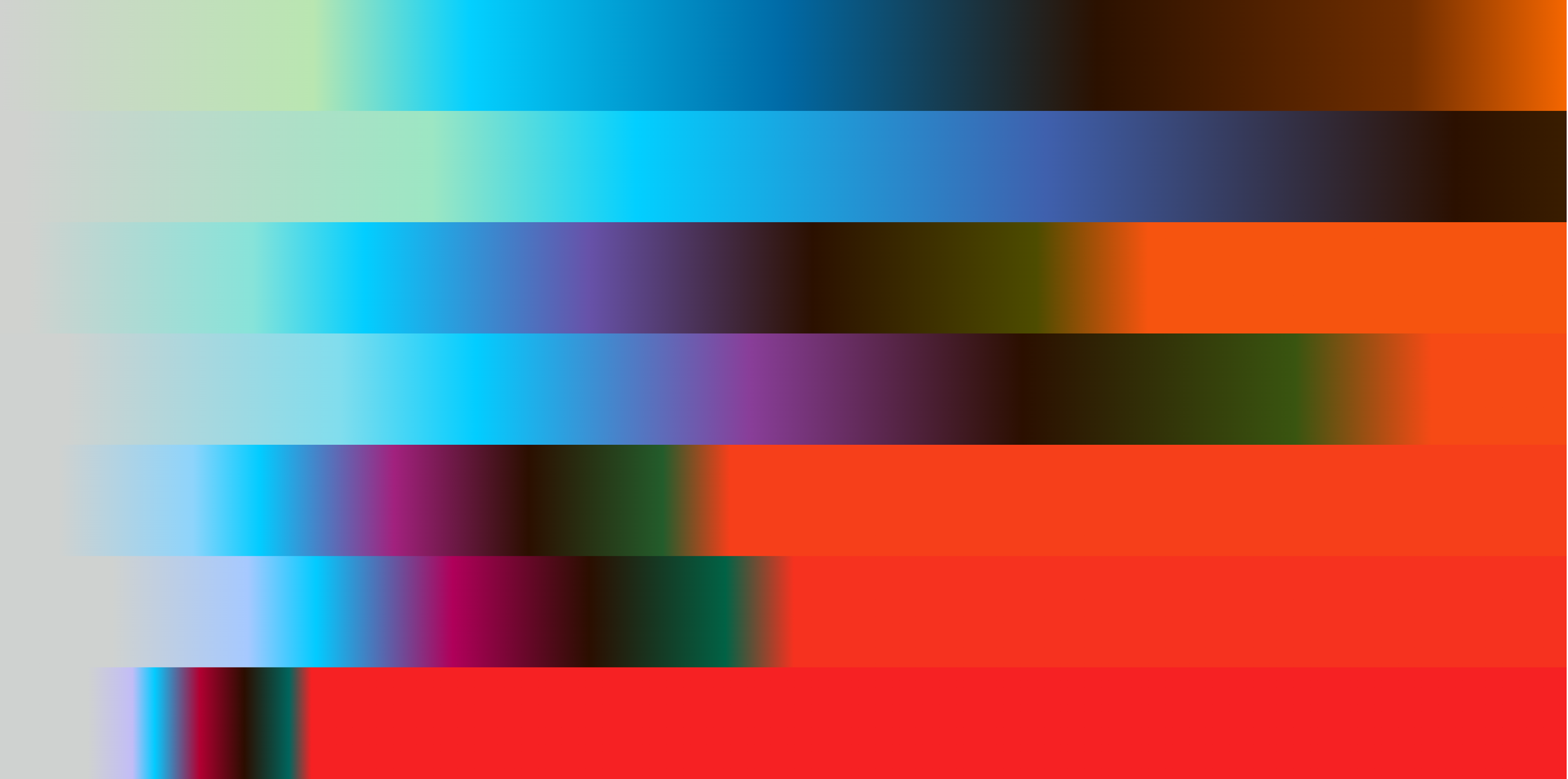
Another project that launched at Paris Photo was a collaboration with David Aerne, a true color scientist and an incredible creative partner. Together, we explored generative gradients and what happens when color becomes the driving parameter.
For the past few years, I have been fascinated by how computers and technology can surprise me as a creator. What do they truly understand, and where do they fall short? Can code create something magical on its own, or does it always need a human hand guiding it?
I shared a large collection of my gradients with David and asked to be surprised. And it genuinely worked.
After spending time in the web3 space, I became deeply interested in generative art. Art that is created through code, endlessly variable, and uniquely generated from a limited set of parameters. That led to a simple question. What if my colors became those parameters? Would it result in something meaningful, or would it eventually feel repetitive?
We decided to find out. David and I gave it a shot, and the results exceeded every expectation. The variety was overwhelming, and the possibilities felt endless.
Visit https://verloop.xyz/ for the more technical breakdown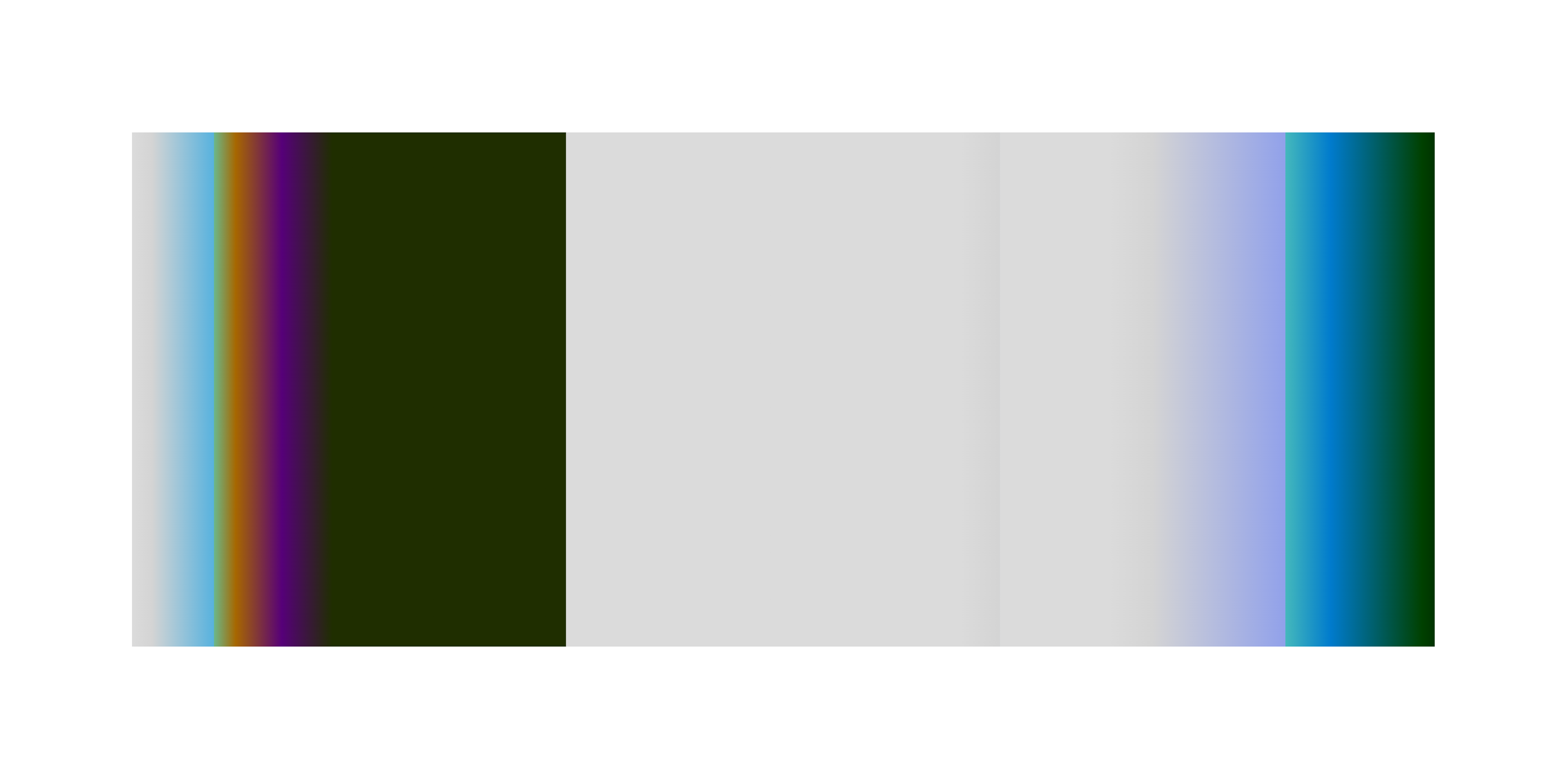
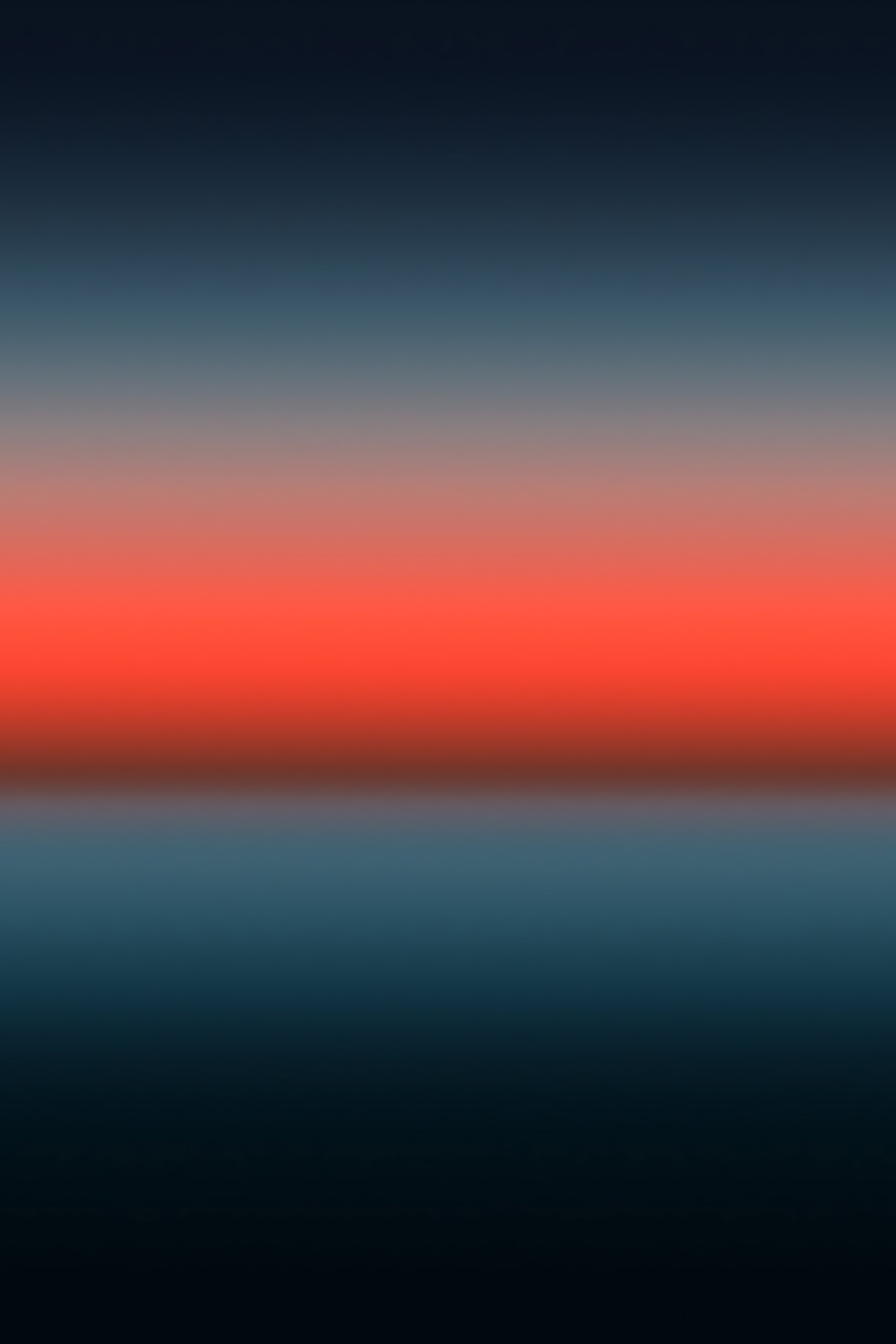
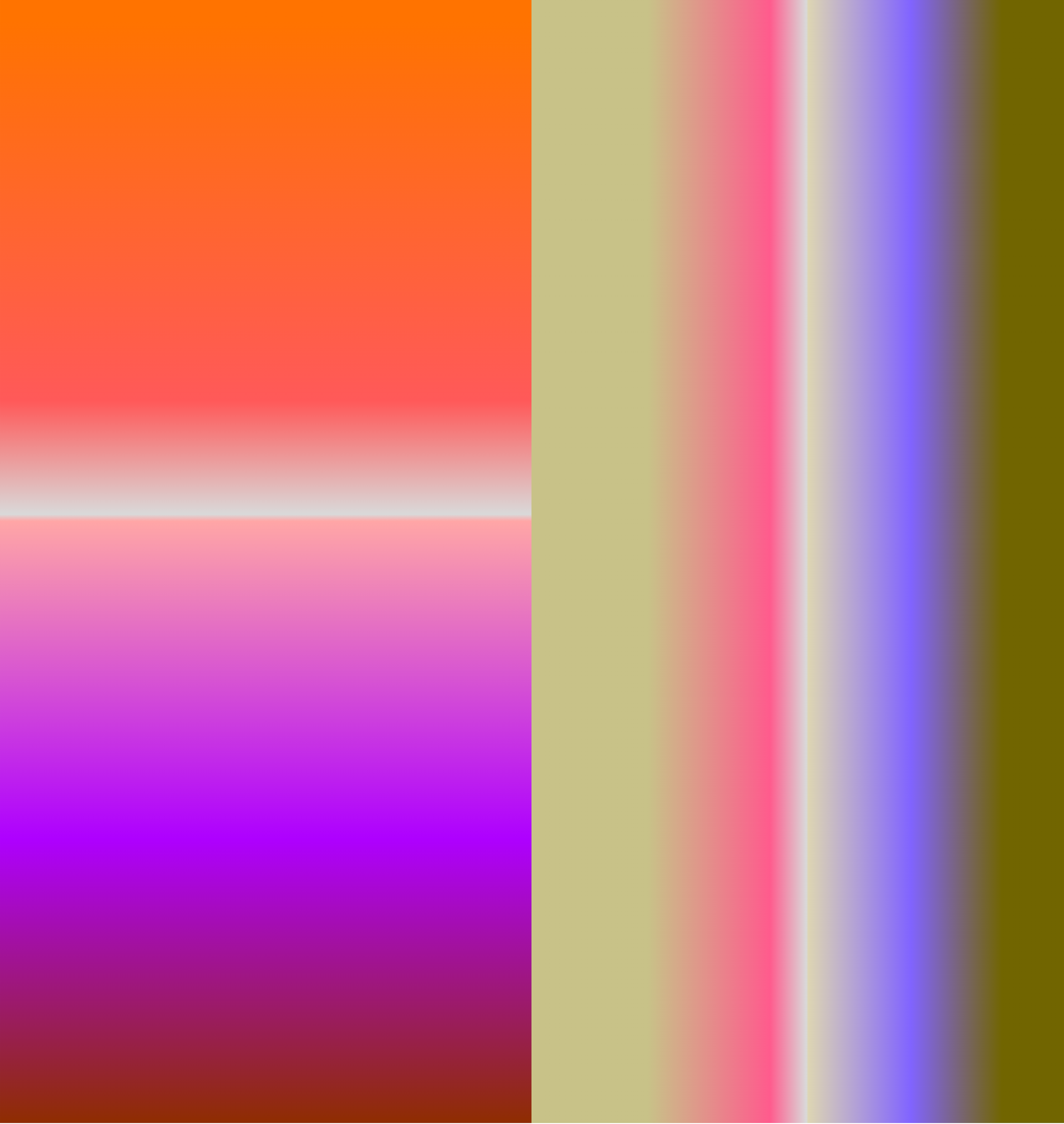
Core gradients that fueled the code.
-
Both the HEX code and location of the stops were core to fuel this project and to steer the code by using my DNA in those decisions as oil to fuel this machine.
-
Both the HEX code and location of the stops were core to fuel this project and to steer the code by using my DNA in those decisions as oil to fuel this machine.
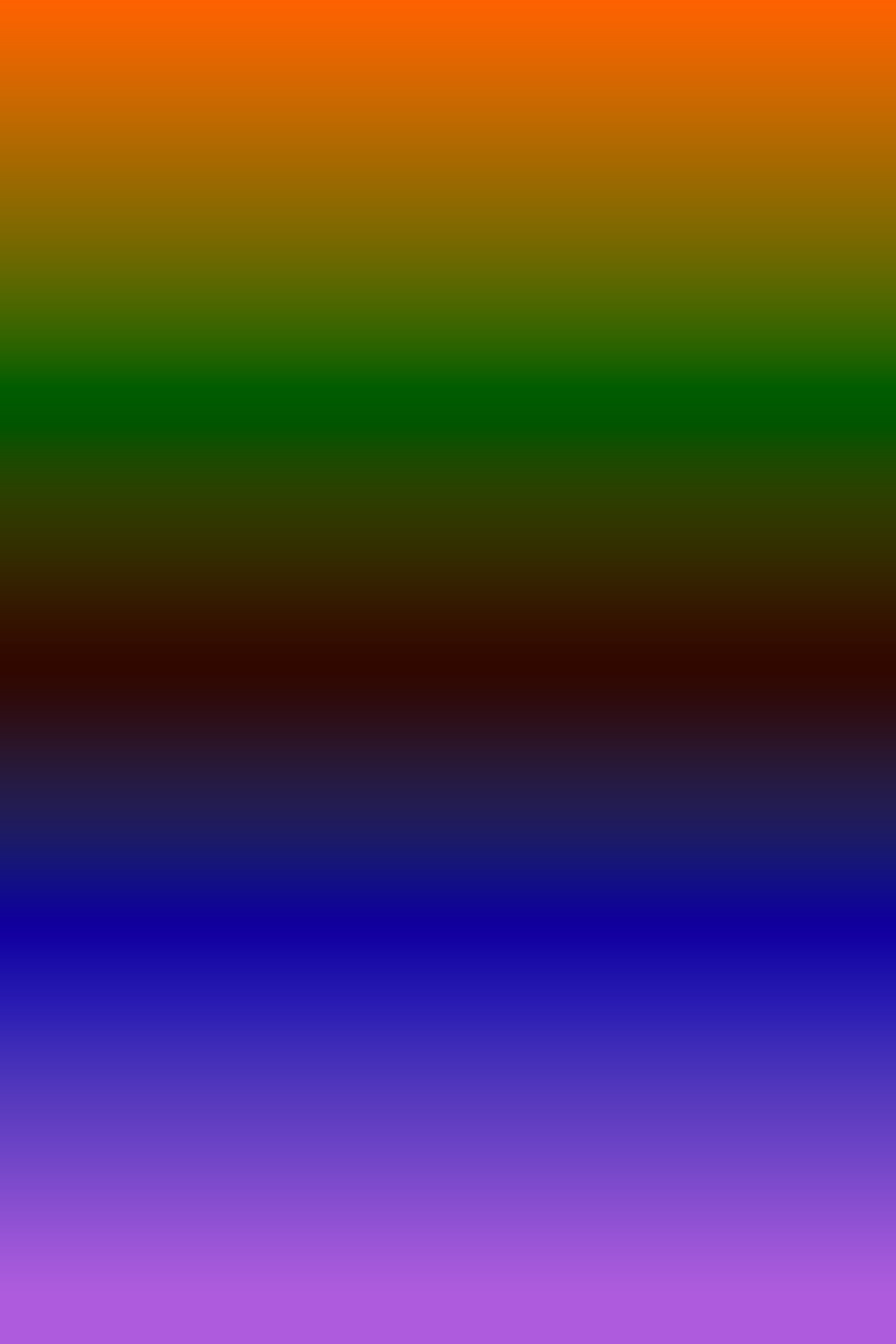
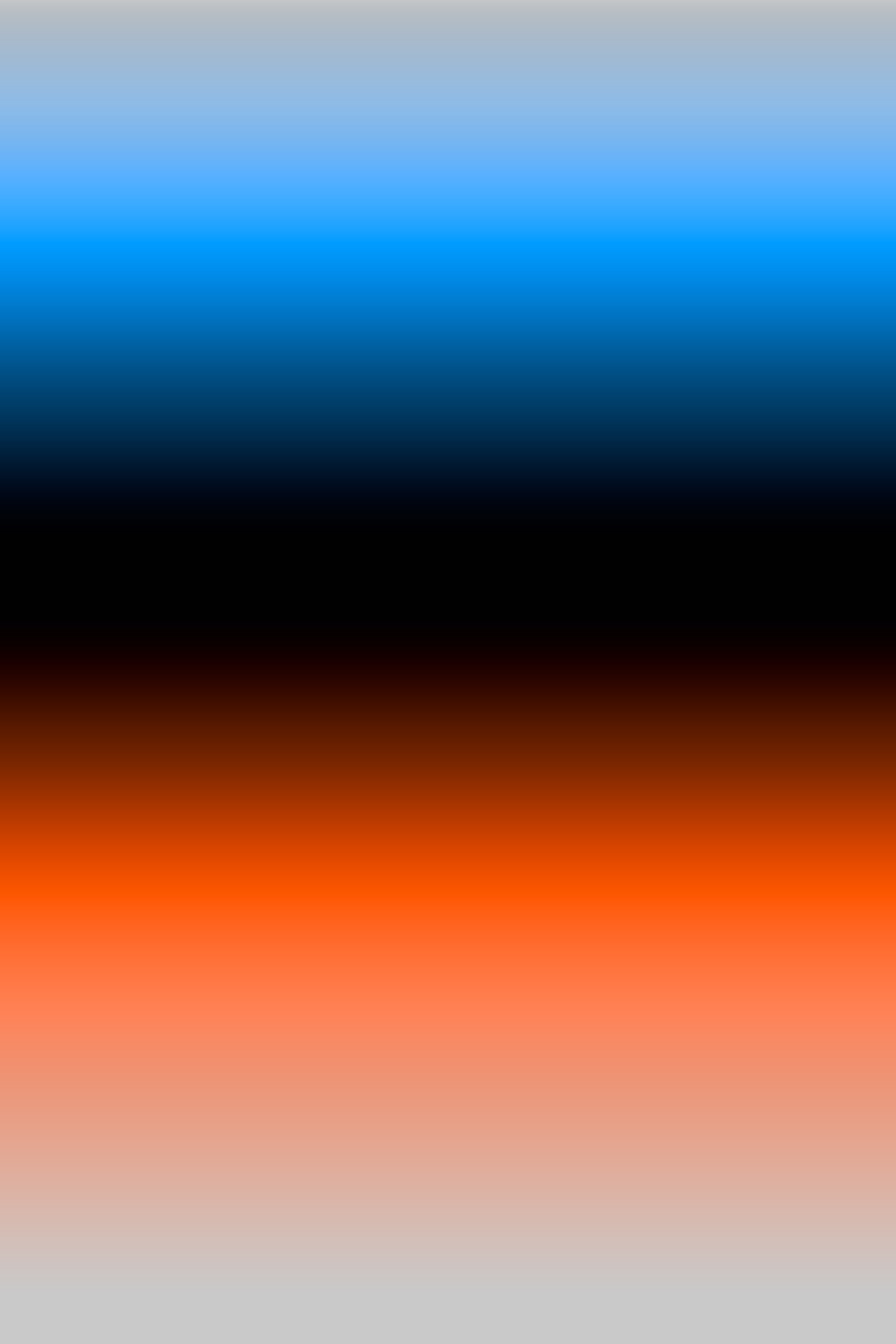
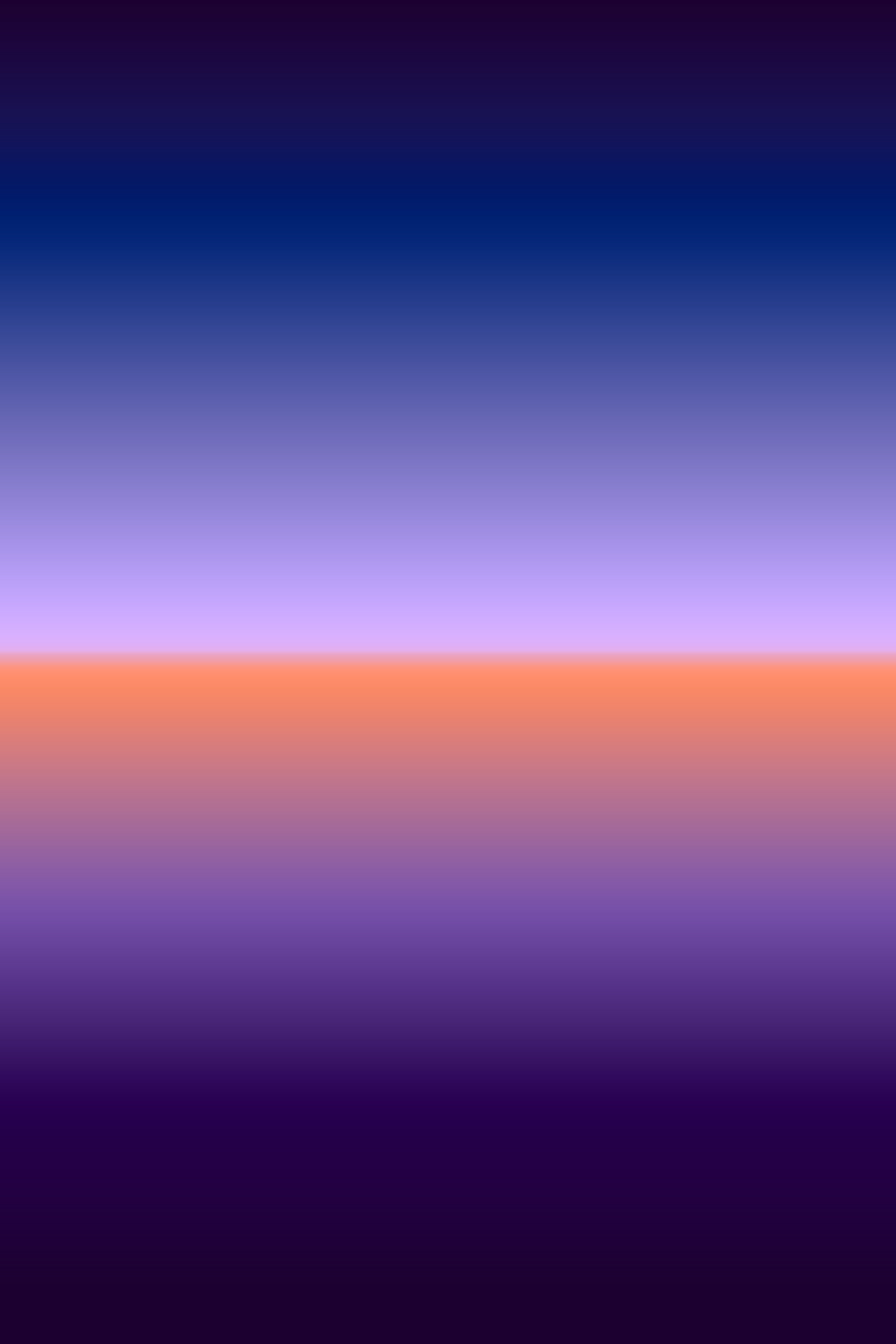
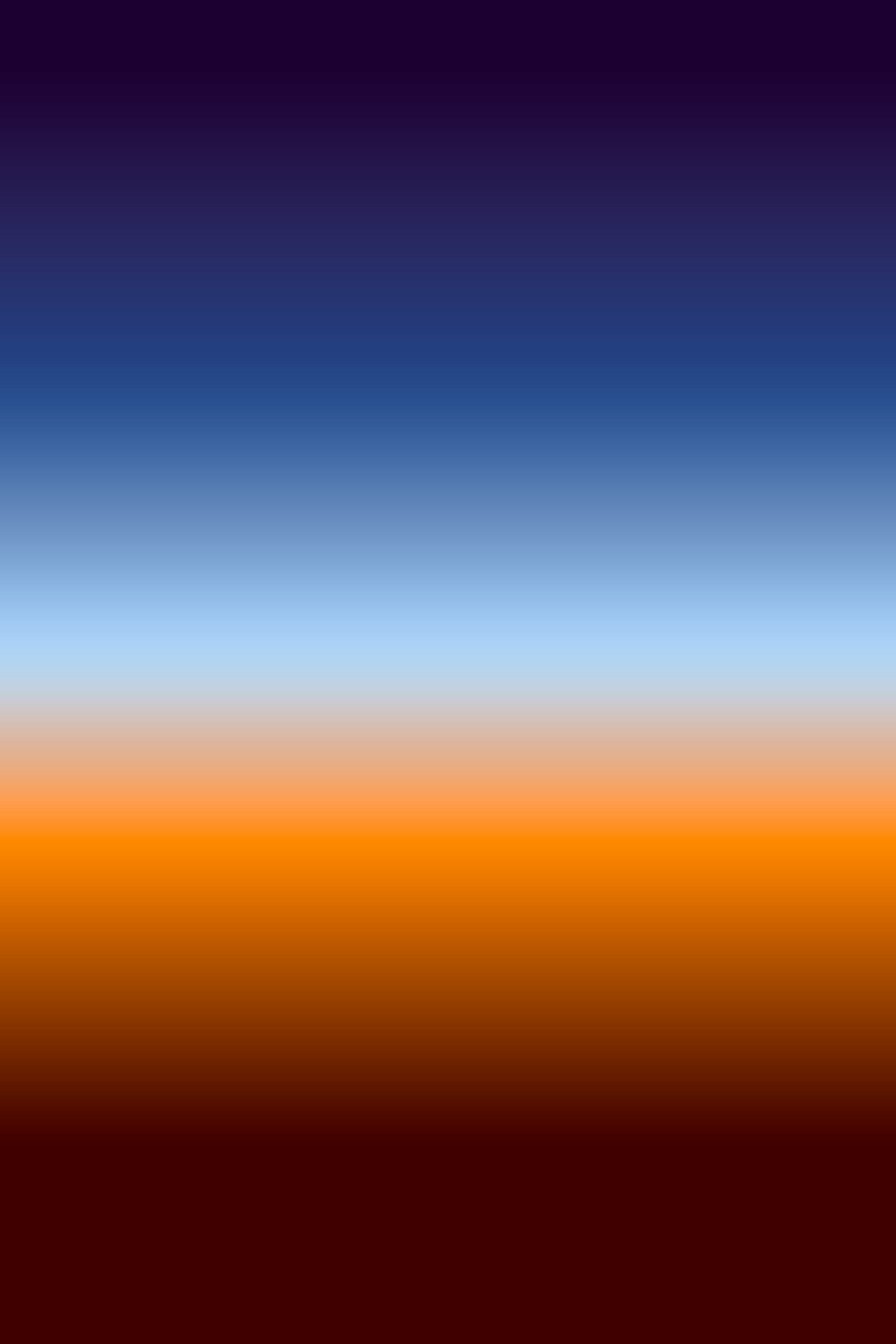
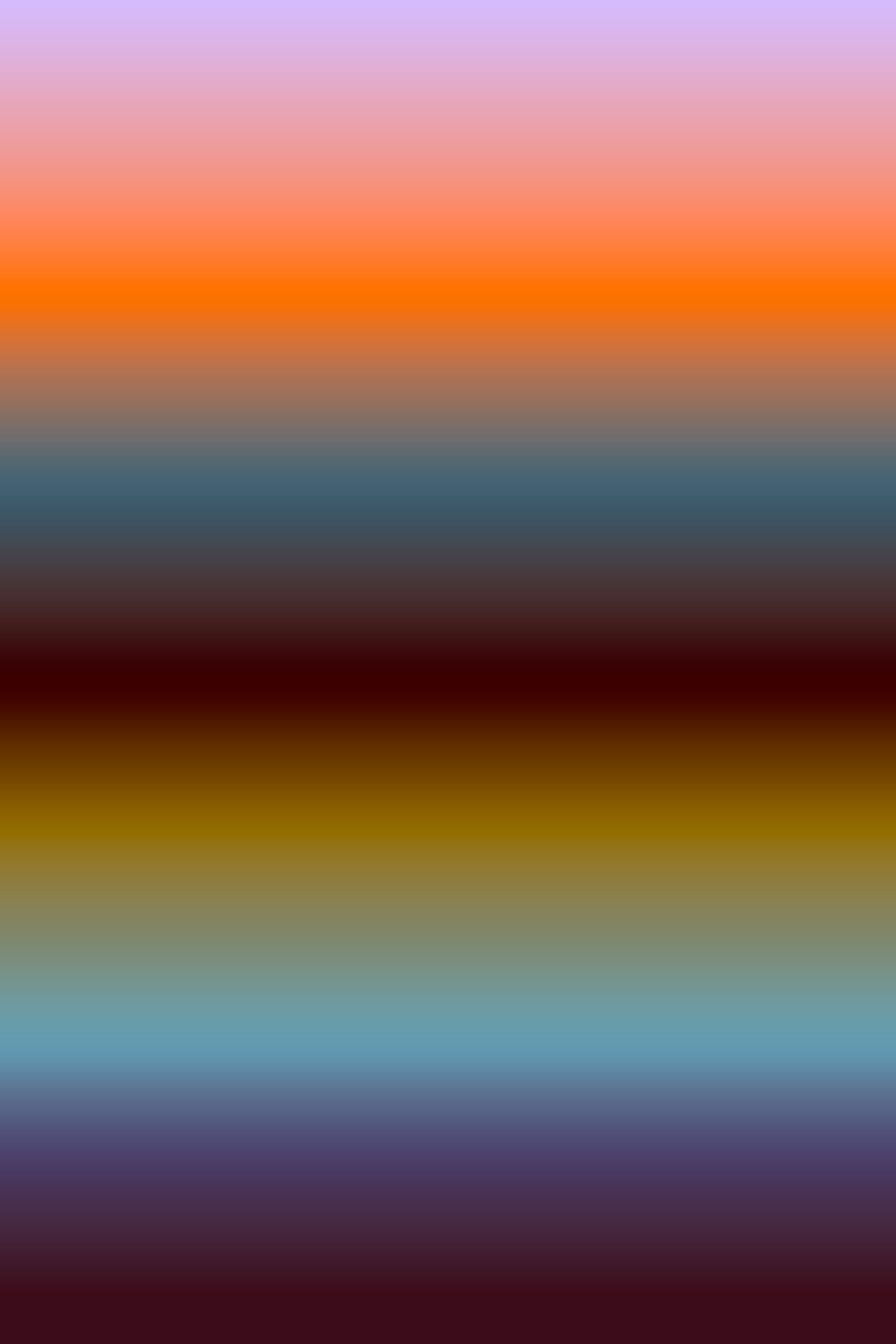
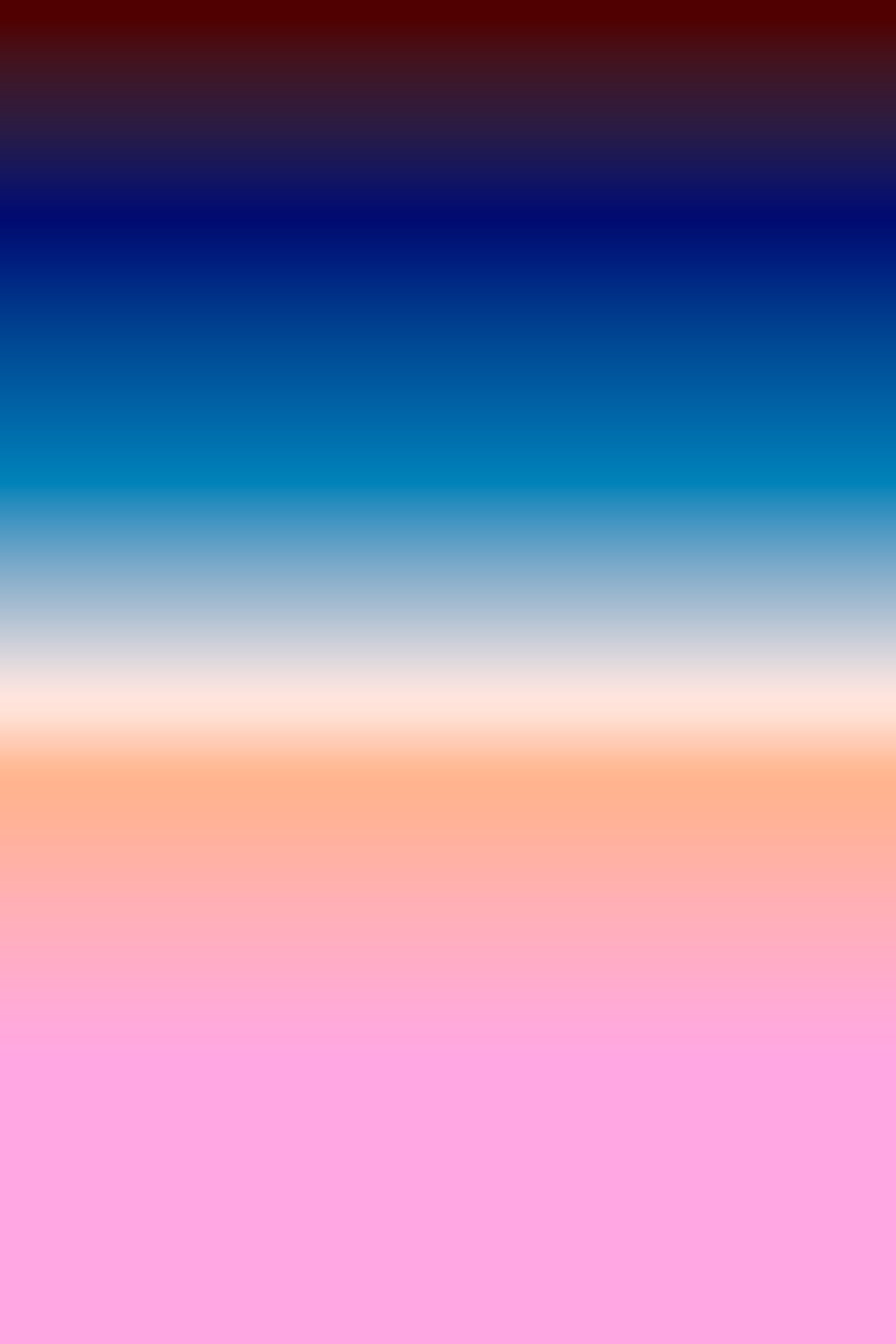
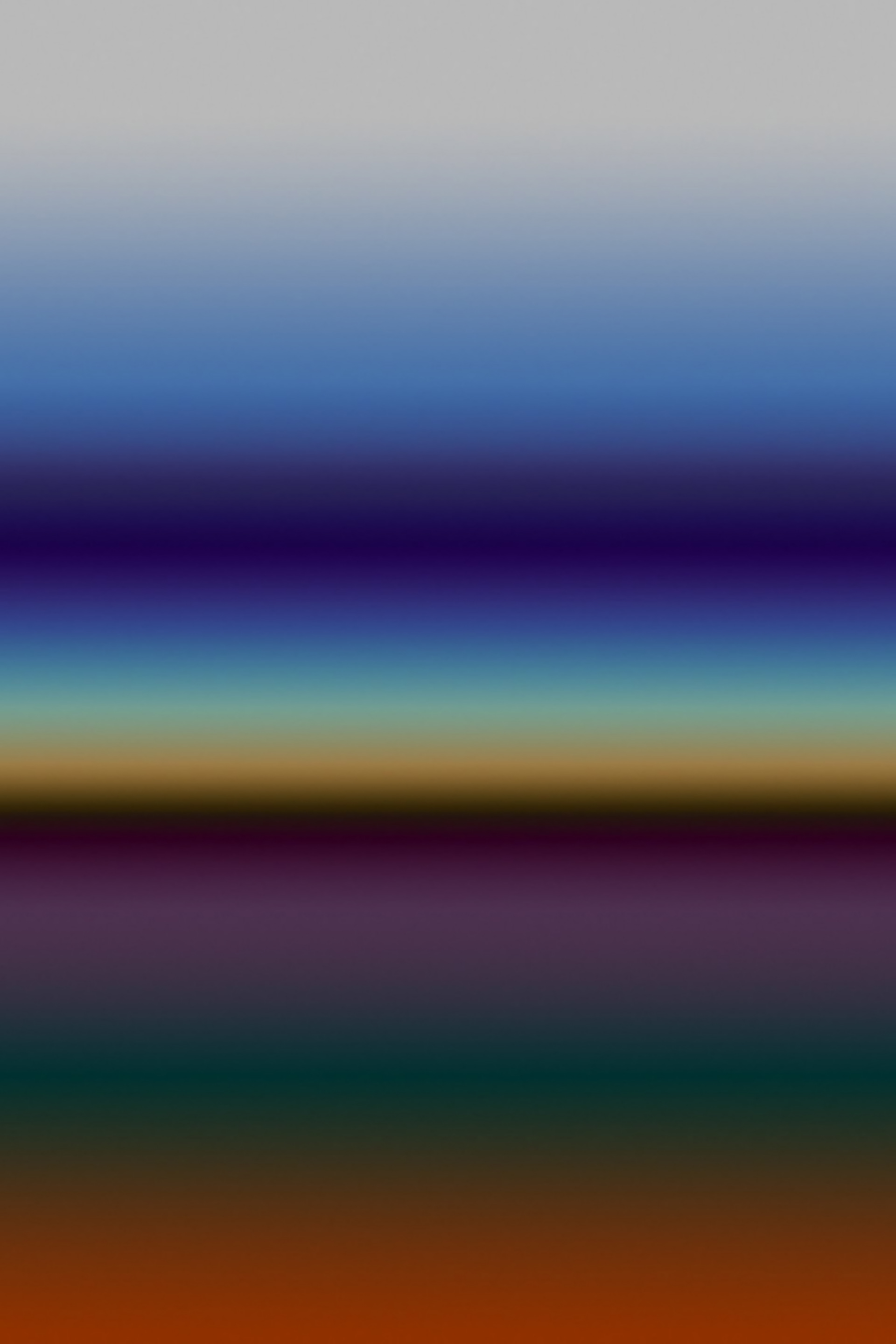
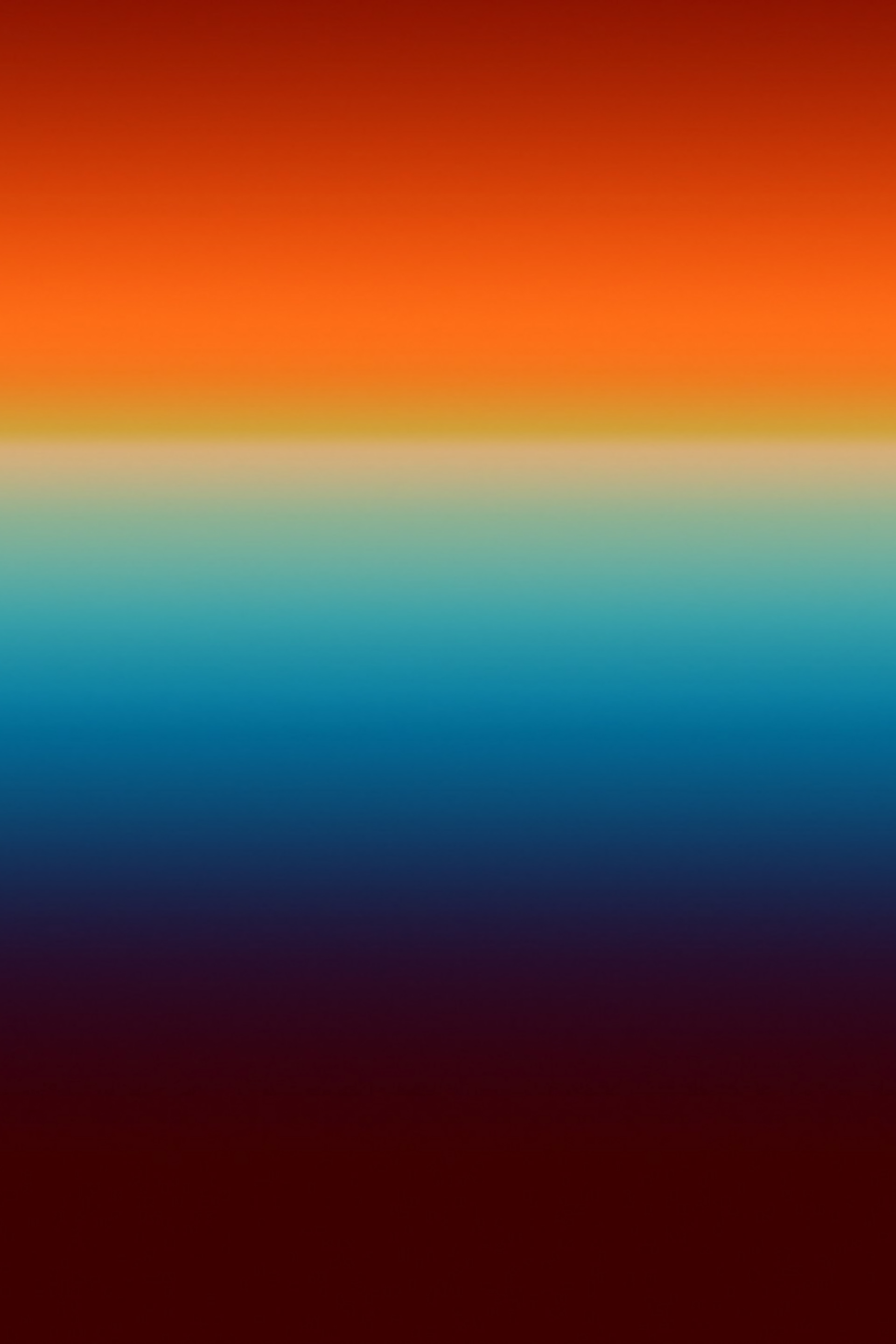
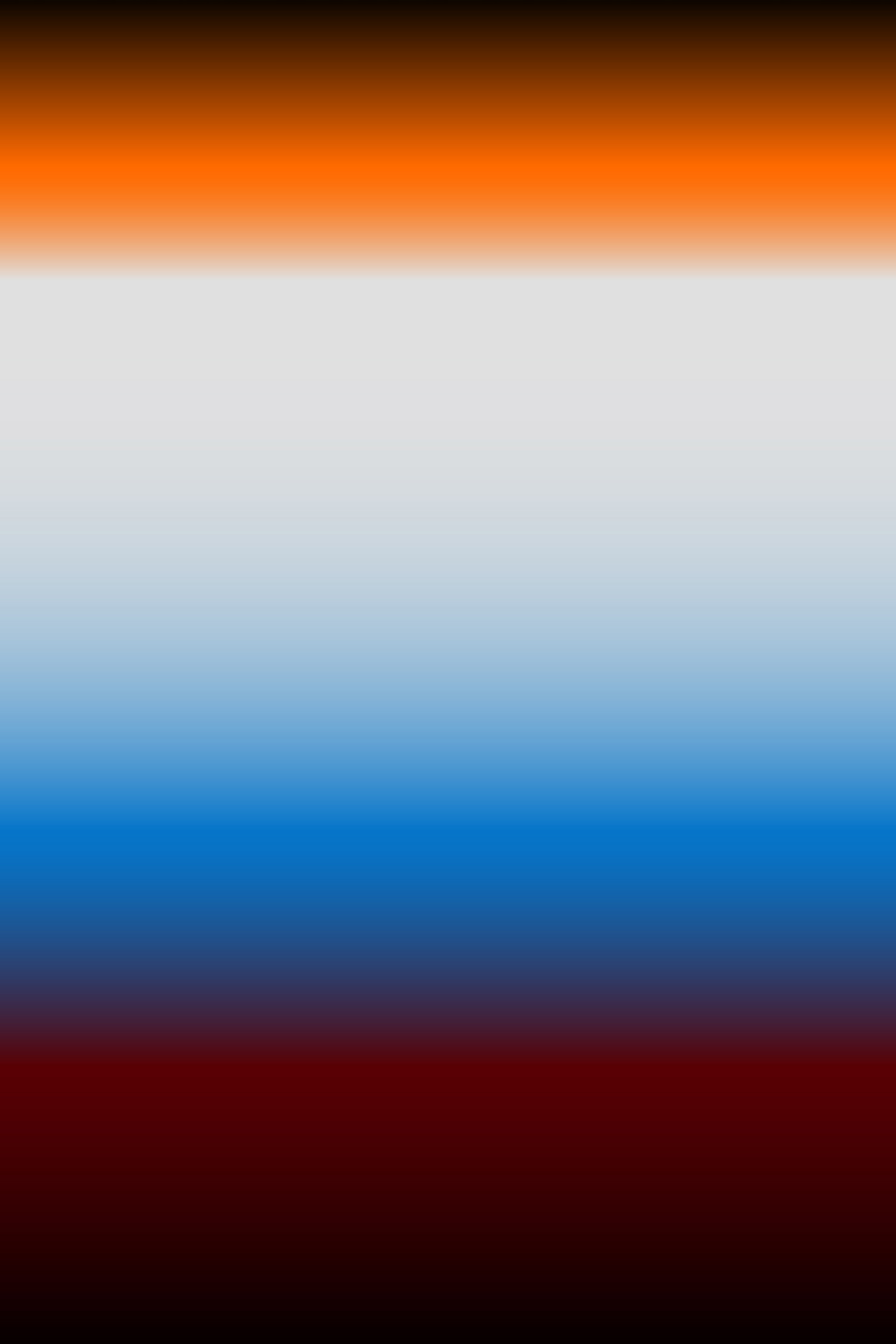
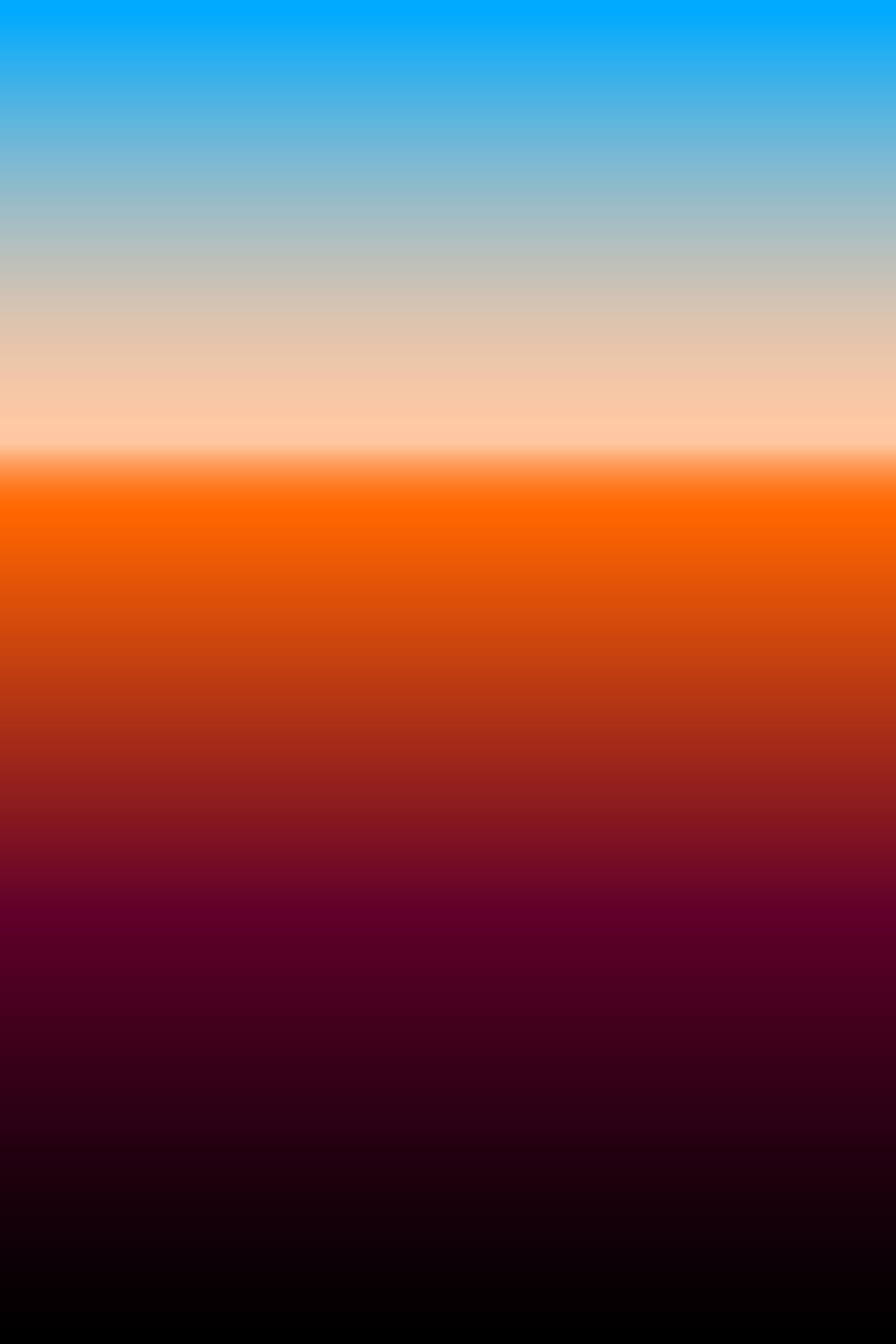
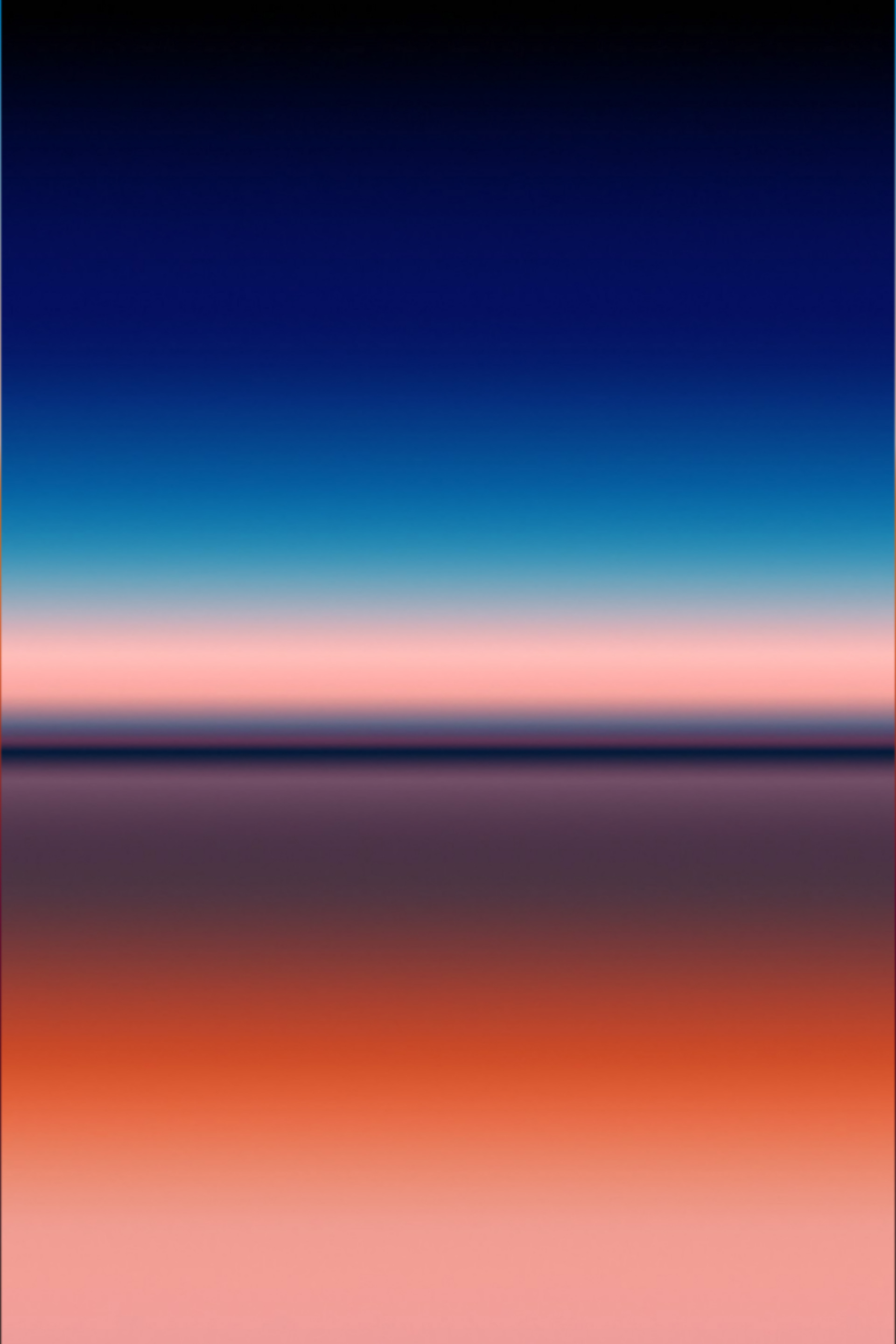
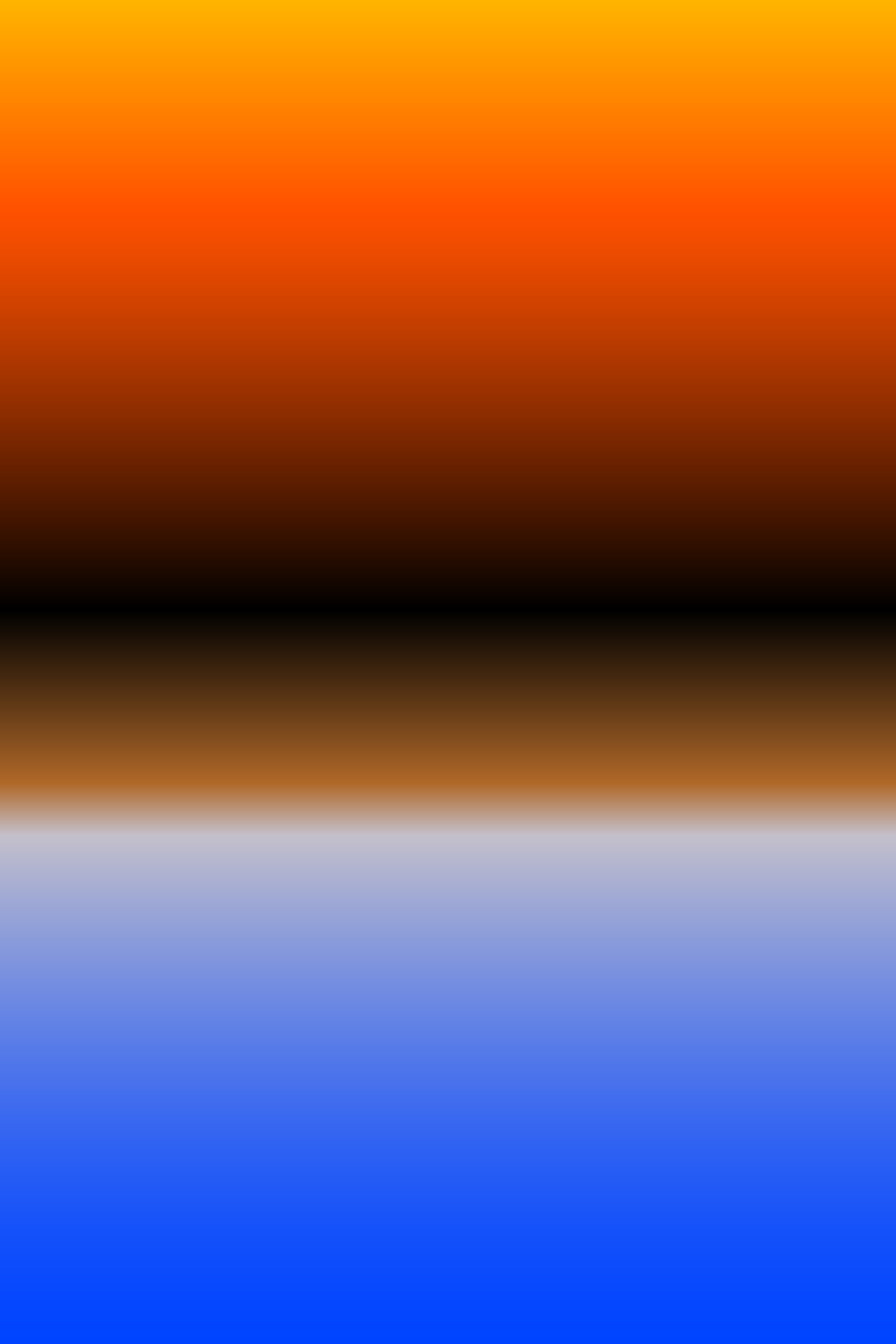
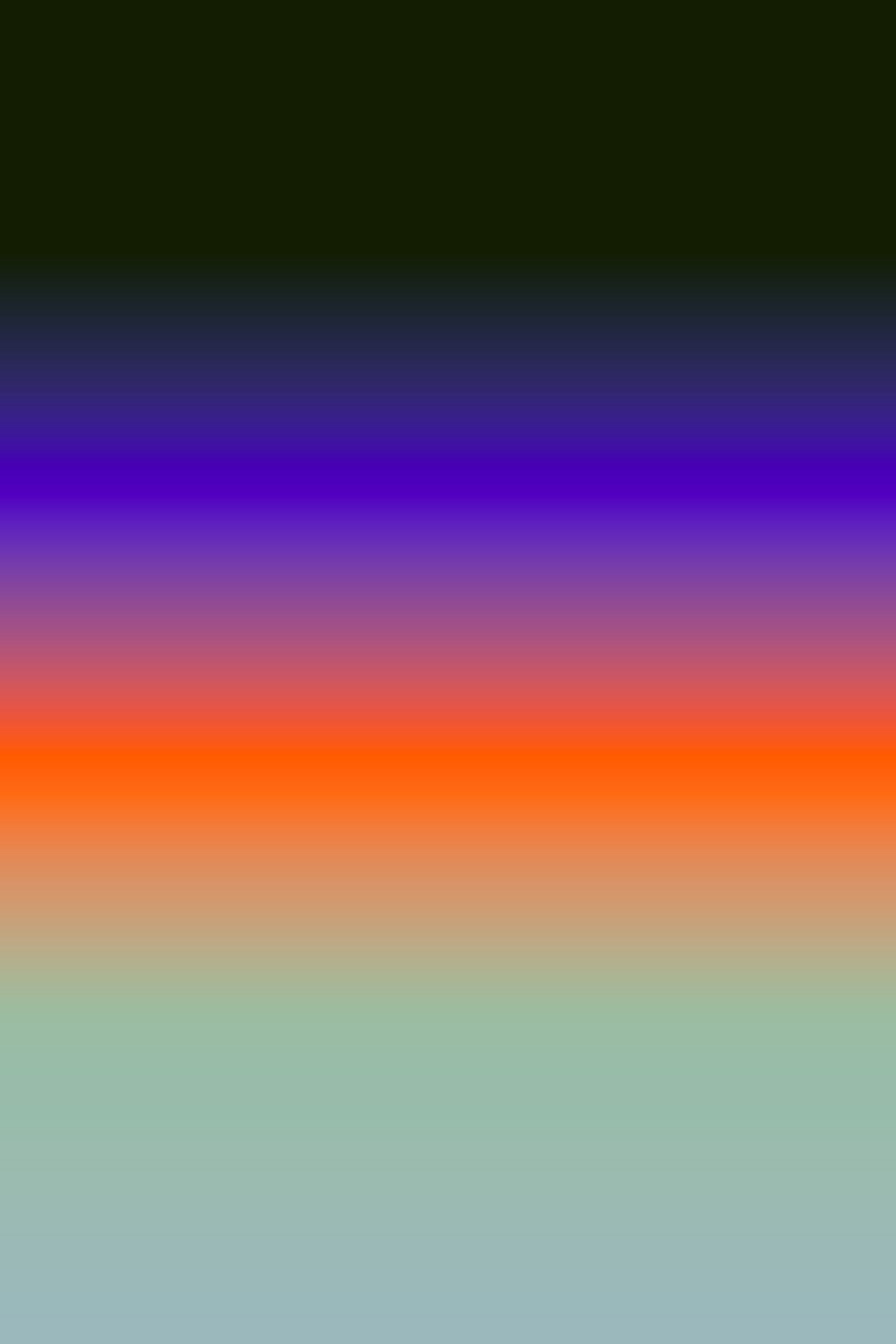
Anatomy of a Gradient
-
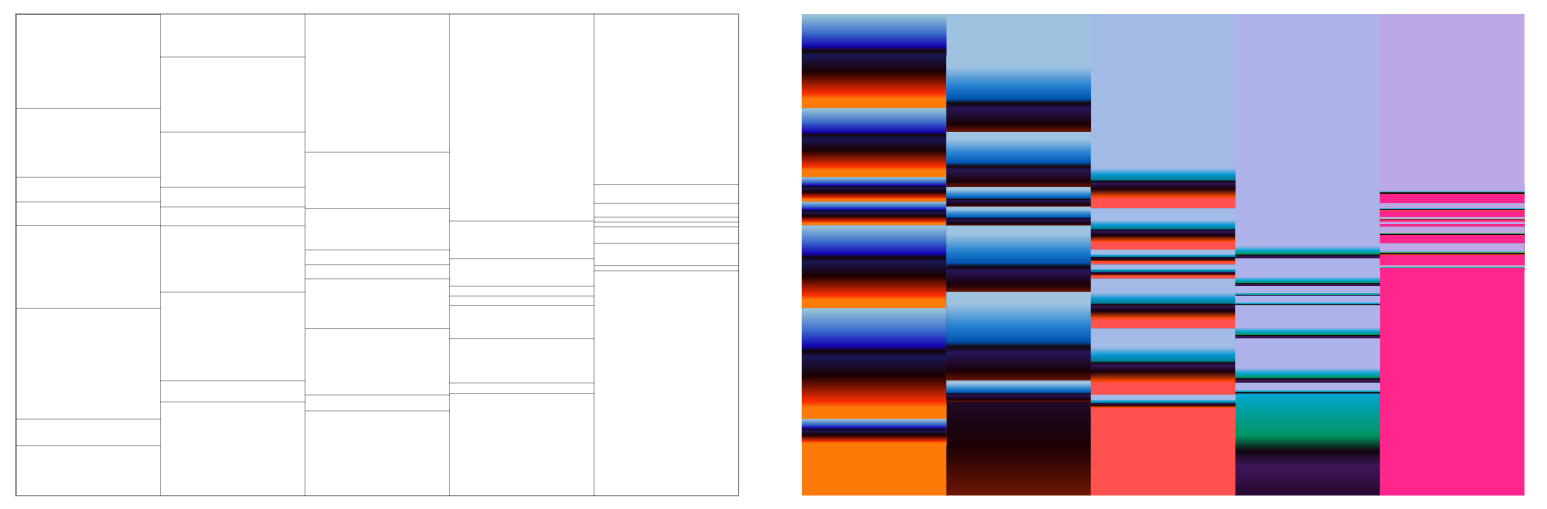
Technically, an SVG gradient is a linear journey between color points a path where one color fades into another. Picture a line that begins with one hue and transforms as it reaches the other. In this book, however, the gradients are far richer, crafted with artistic precision and layered with multiple color points. These handcrafted compositions then become the foundation for the machine, which reshapes and reconfigures these points to produce a spectrum of variations.
-
Technically, an SVG gradient is a linear journey between color points a path where one color fades into another. Picture a line that begins with one hue and transforms as it reaches the other. In this book, however, the gradients are far richer, crafted with artistic precision and layered with multiple color points. These handcrafted compositions then become the foundation for the machine, which reshapes and reconfigures these points to produce a spectrum of variations.
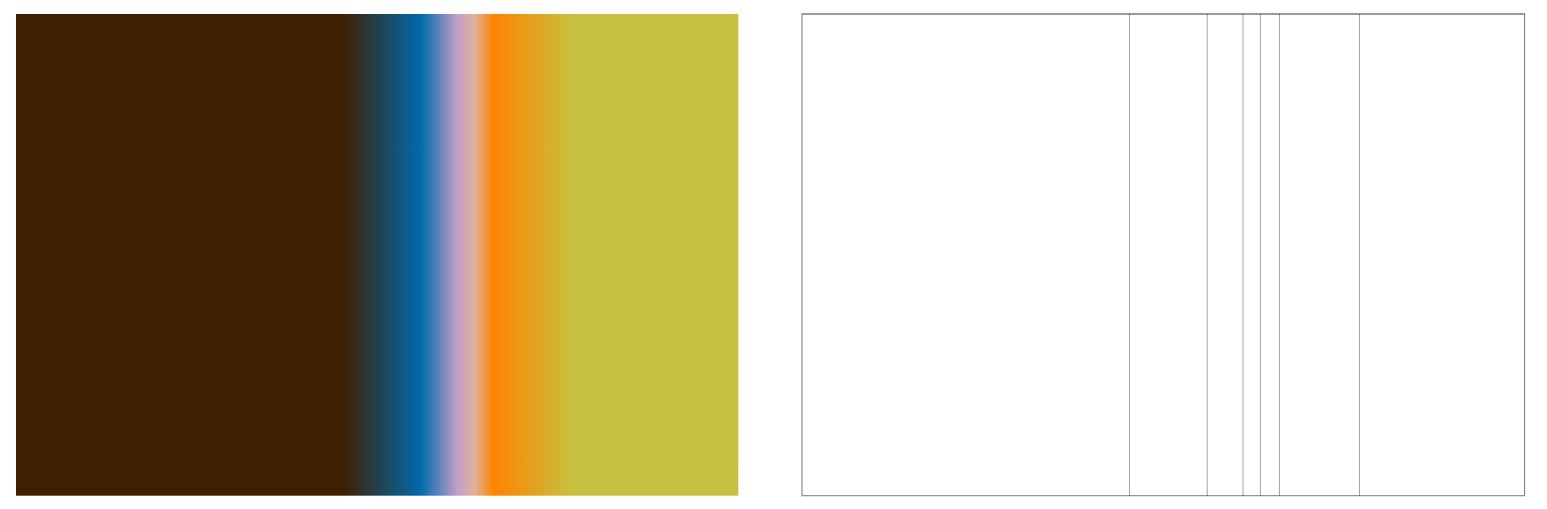
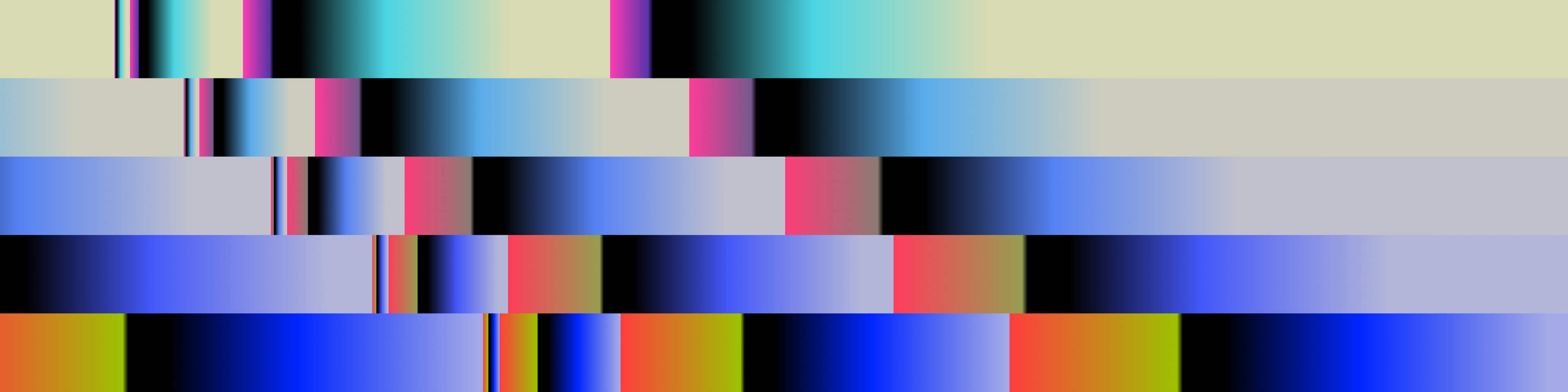
The evolution of a simple gradient
-
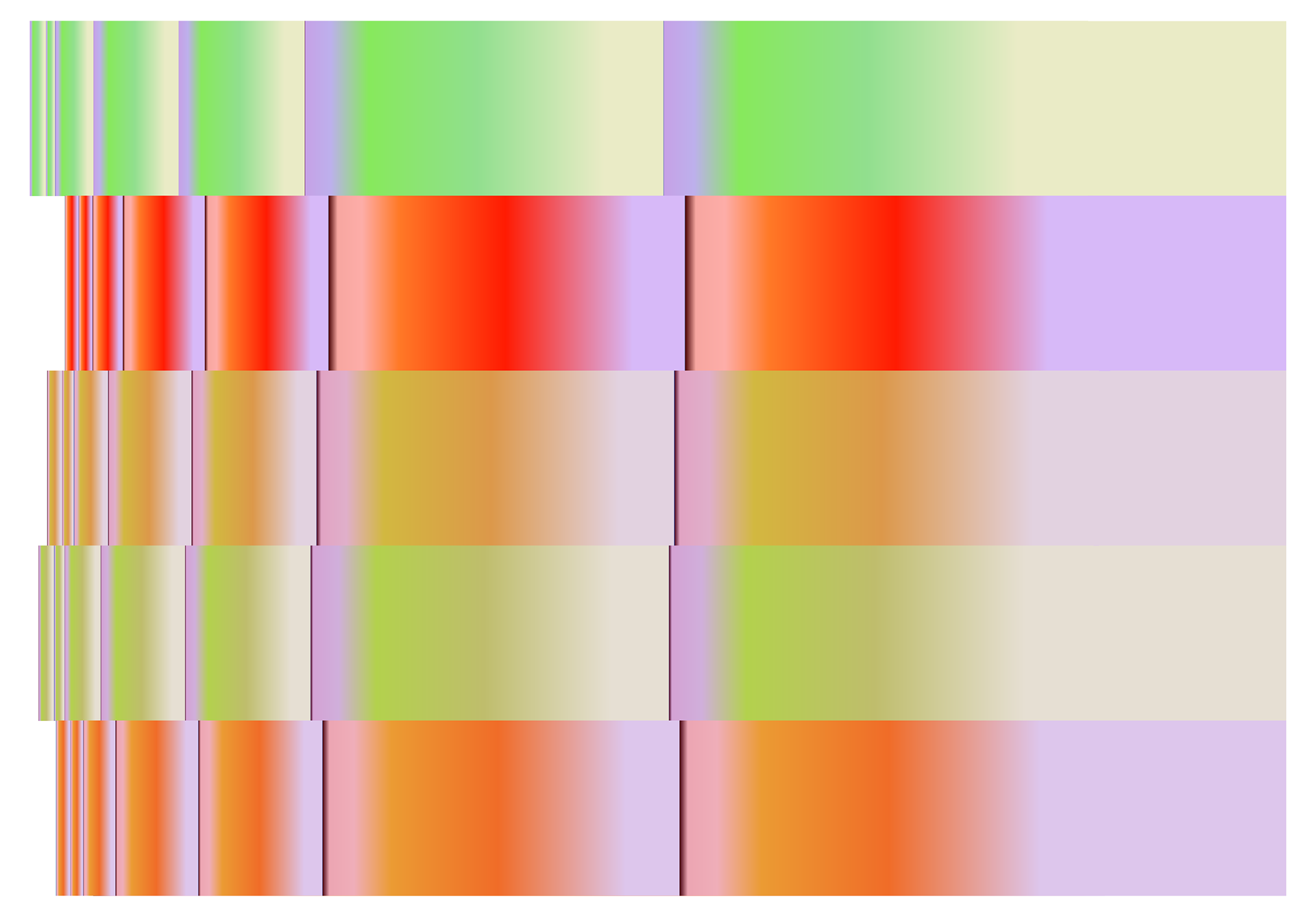
So how do we keep a nice tension and let the algorithm do what it does best; creating super random outputs that can barely lead back to what the origins were? I had this almost timelapse, step by step, frame by frame transitions in mind. Almost like youre watching something transition from A to B.
-
So how do we keep a nice tension and let the algorithm do what it does best; creating super random outputs that can barely lead back to what the origins were? I had this almost timelapse, step by step, frame by frame transitions in mind. Almost like youre watching something transition from A to B.
The Tool
-
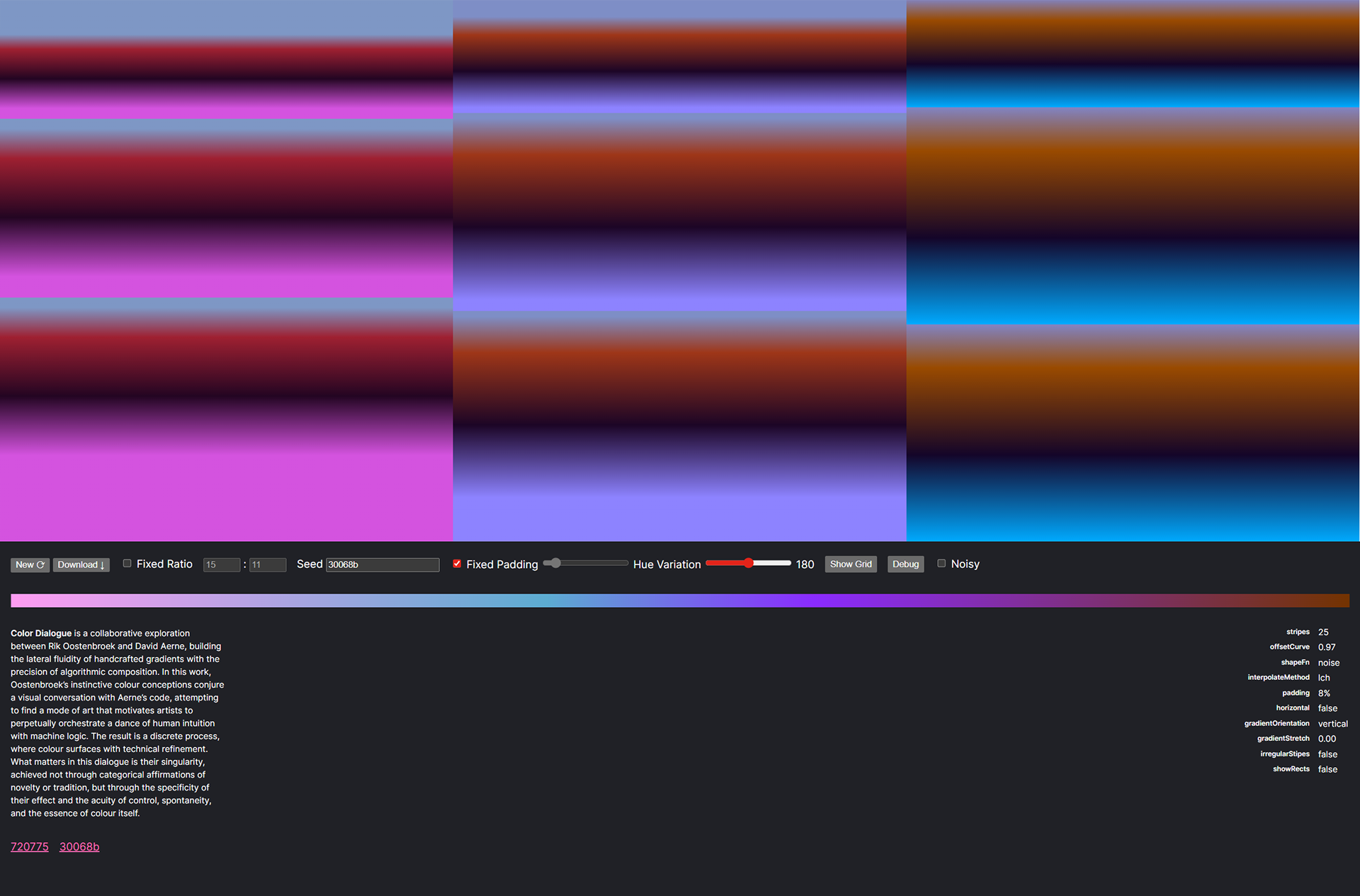
While David can fluently read and write code, we needed to figure out how I could still stay fully in the loop, tracking what was happening, testing parameters, and giving detailed feedback on the product. To solve this, he built a very clear and intuitive UI that allowed me to literally see what was happening. I could save seeds I liked and iterate on them again and again, ultimately exploring roughly 70,000 different variations over the course of the project.
I was obsessed with seeing what the code was capable of.
-
While David can fluently read and write code, we needed to figure out how I could still stay fully in the loop, tracking what was happening, testing parameters, and giving detailed feedback on the product. To solve this, he built a very clear and intuitive UI that allowed me to literally see what was happening. I could save seeds I liked and iterate on them again and again, ultimately exploring roughly 70,000 different variations over the course of the project.
I was obsessed with seeing what the code was capable of.
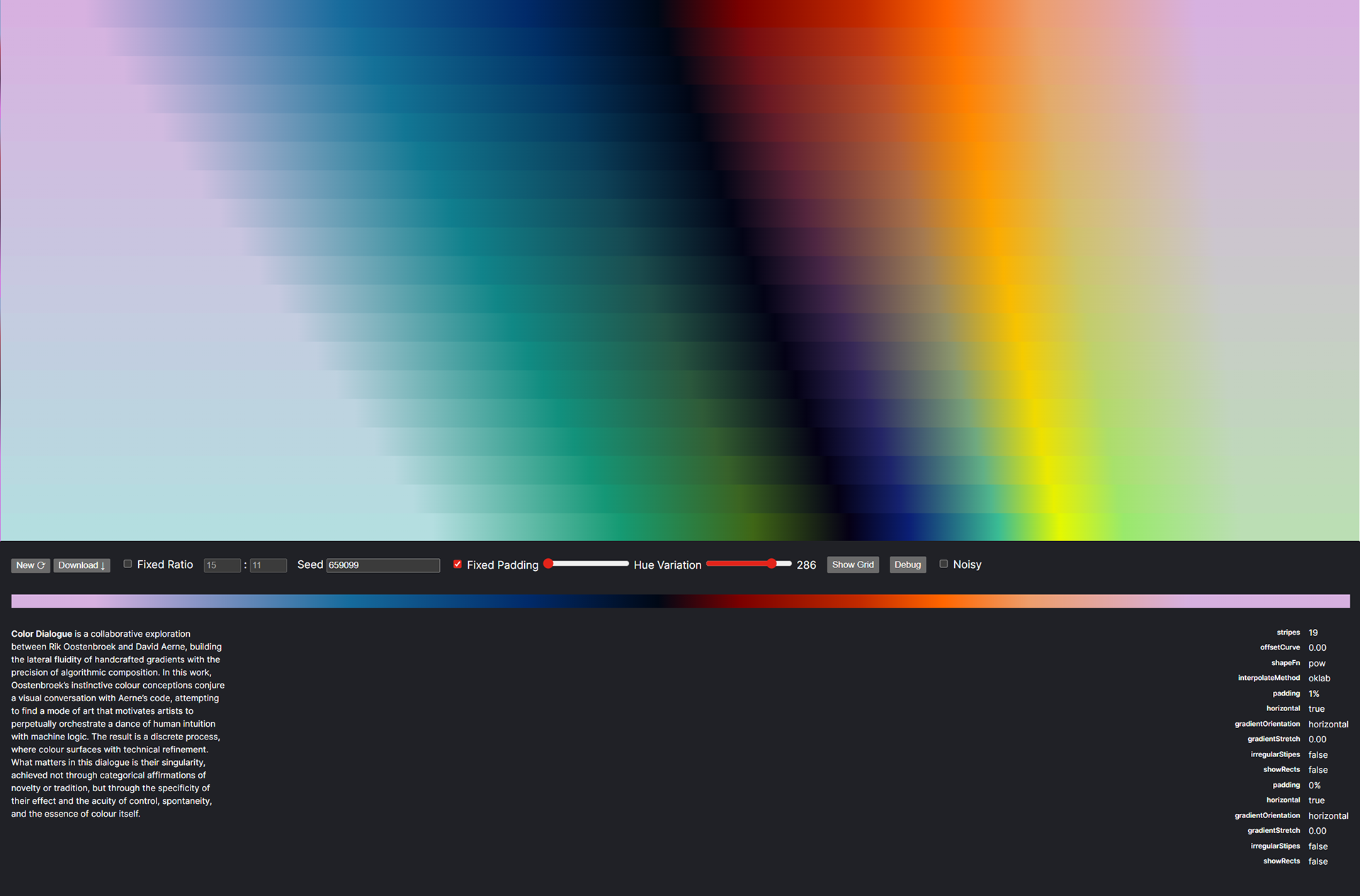
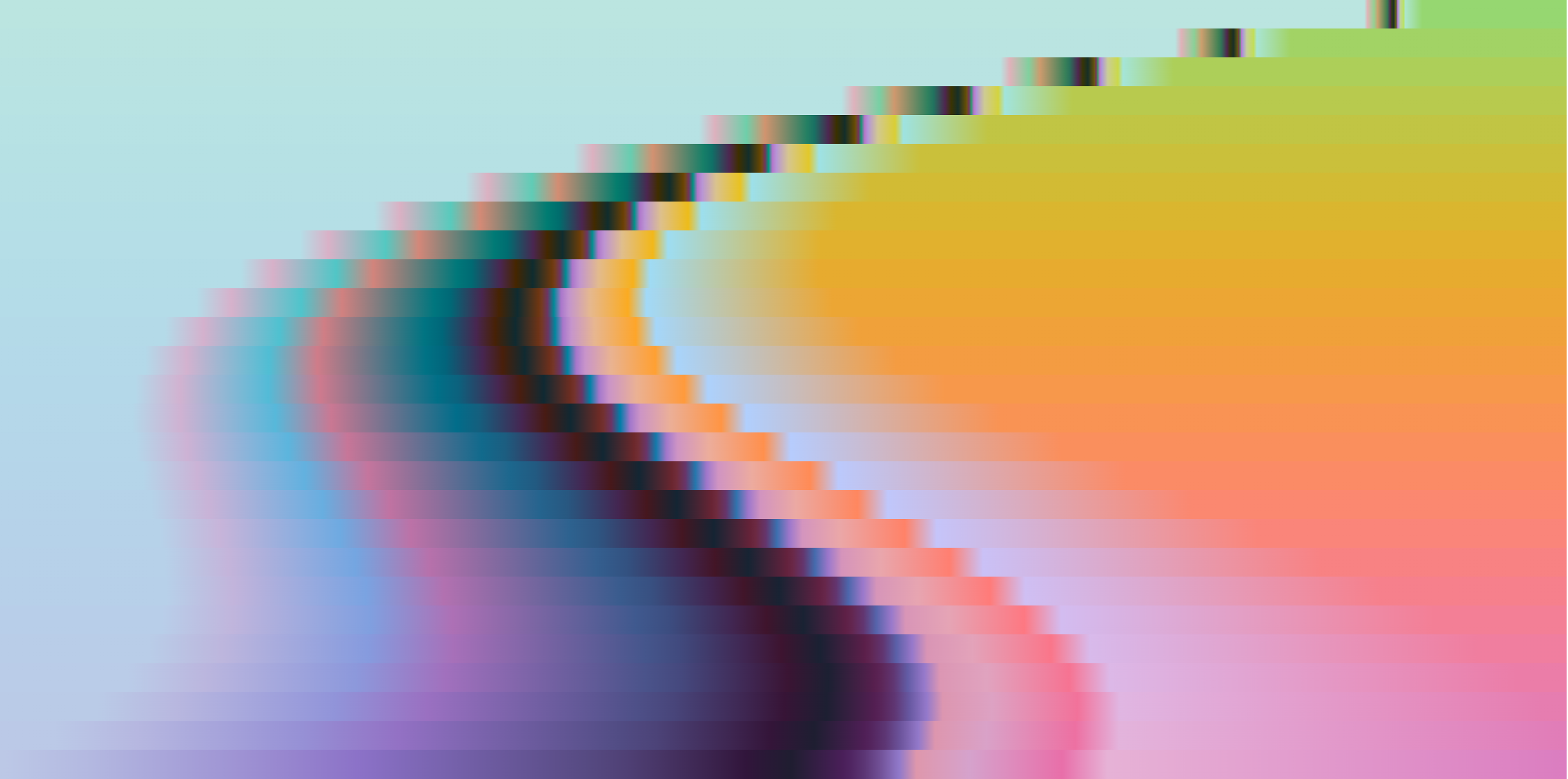
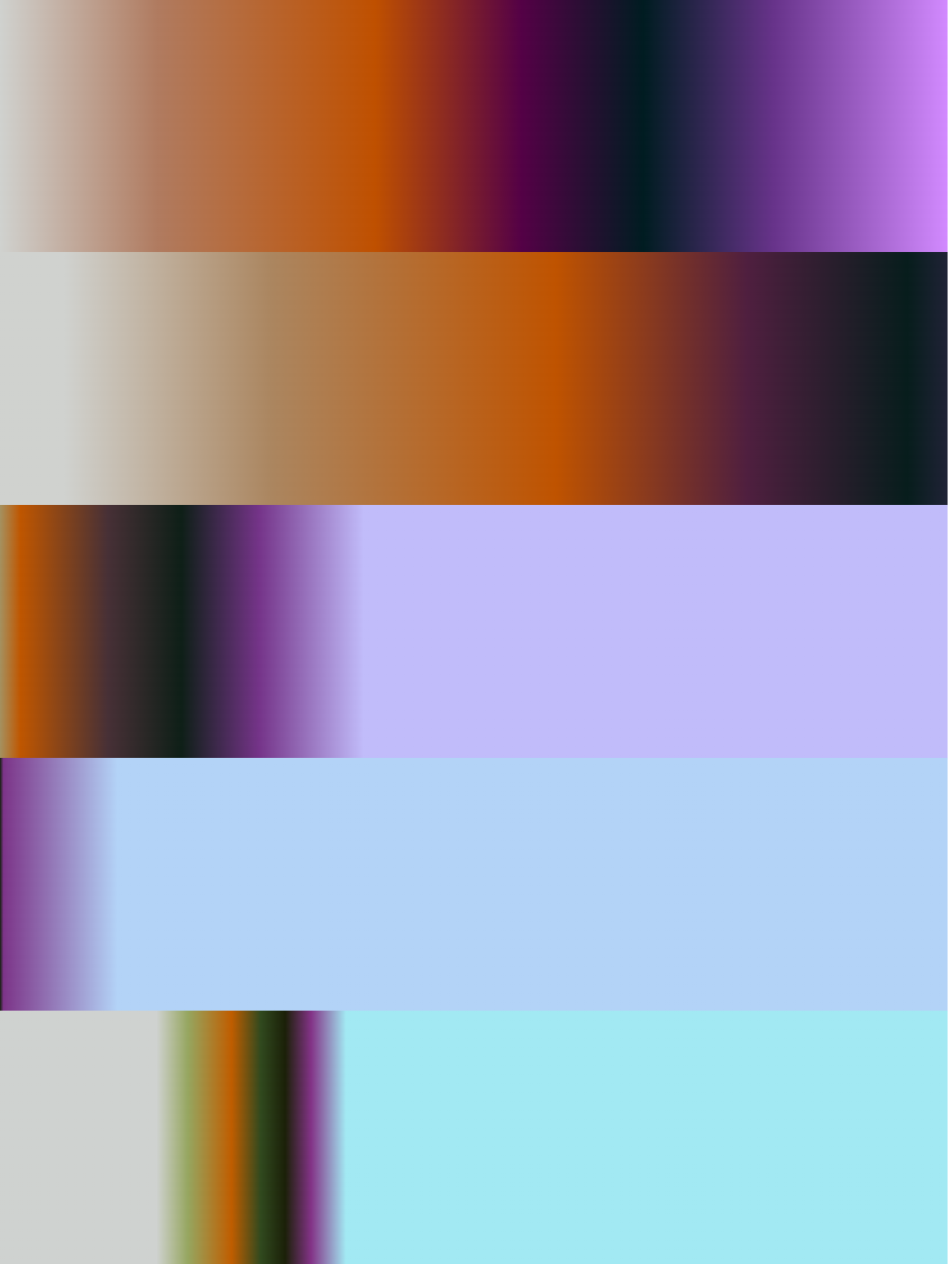
An example of an output that goes through a load of transitions over plenty of steps.
Every gradient as SVG
-
-
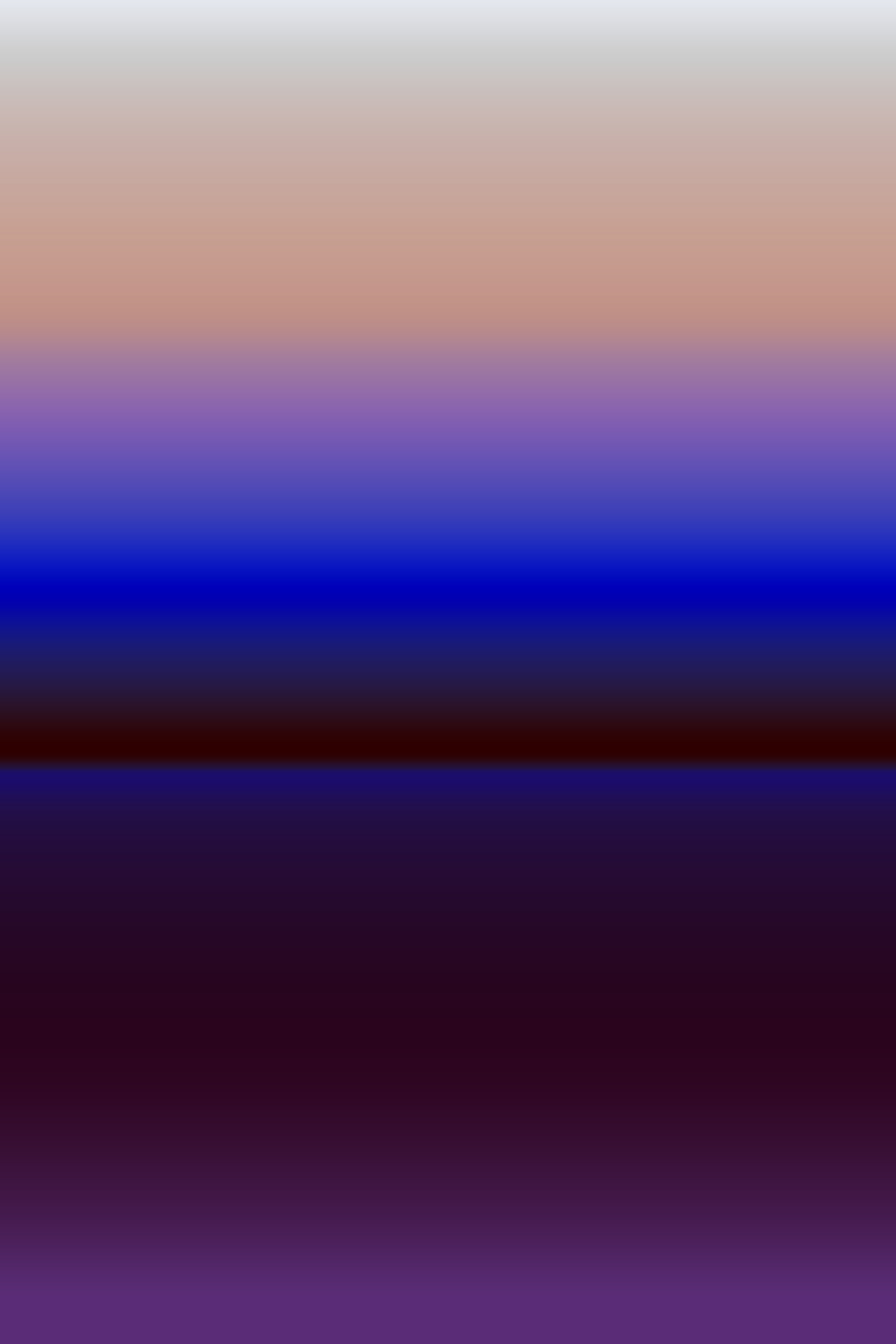
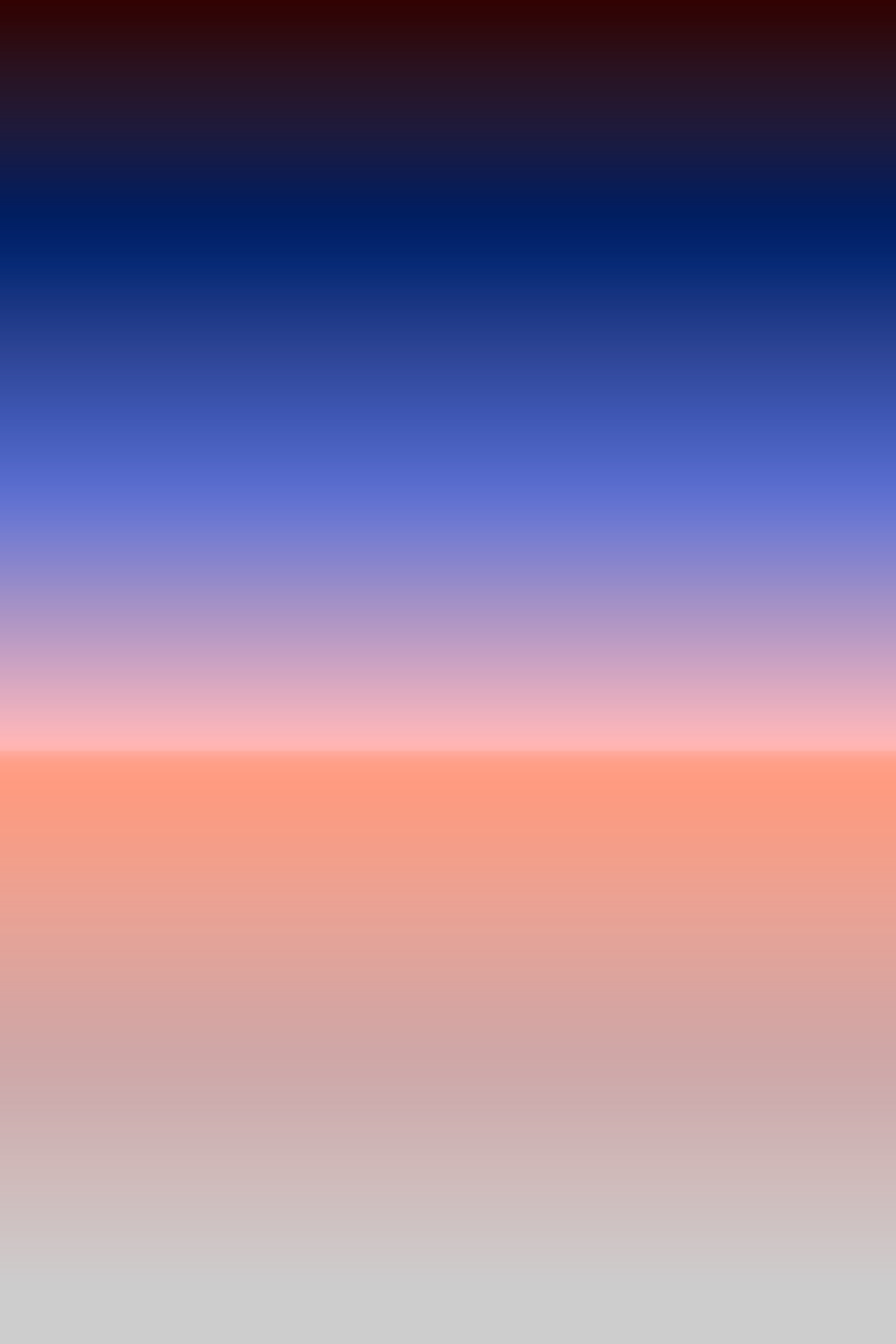
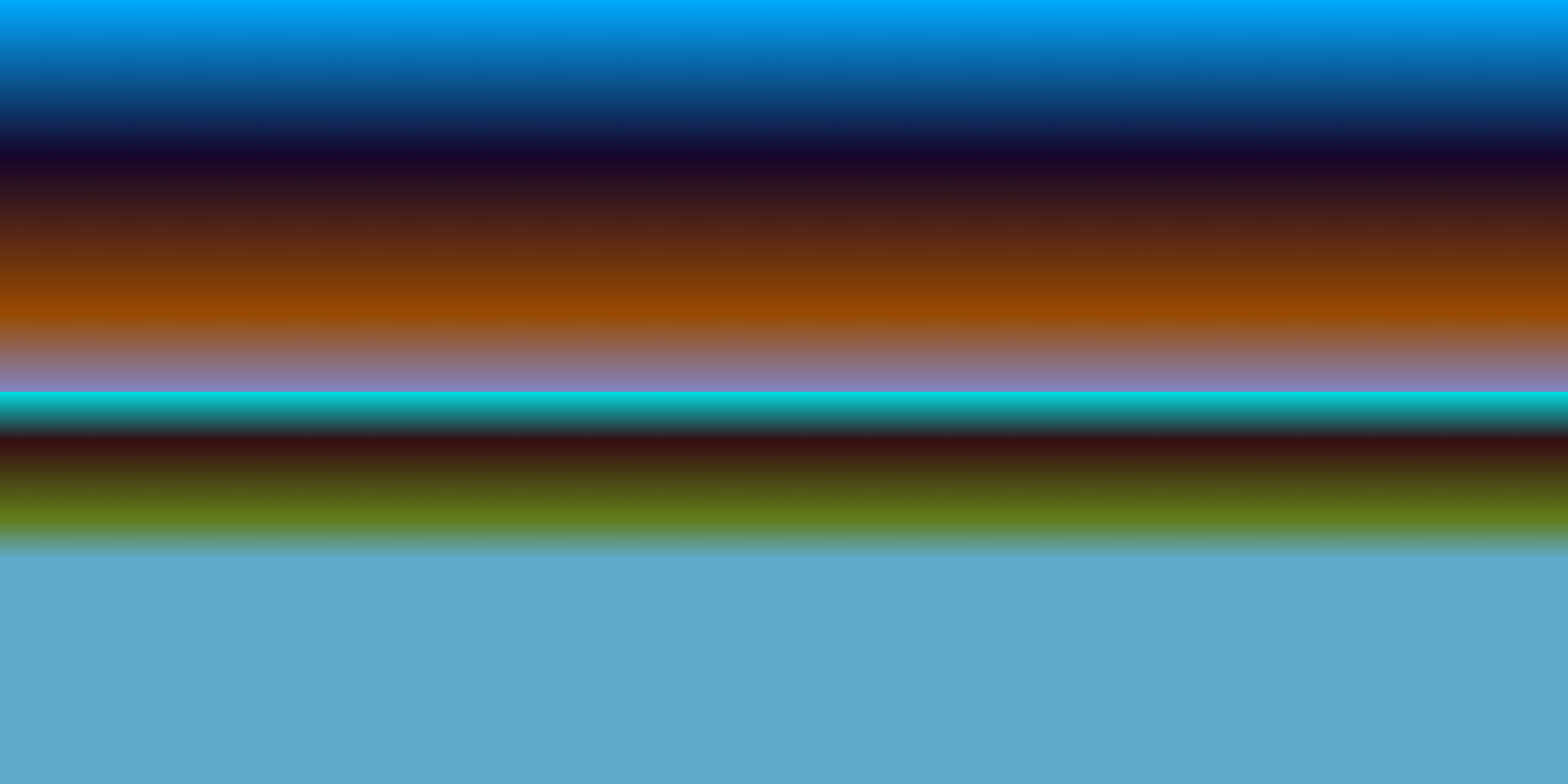
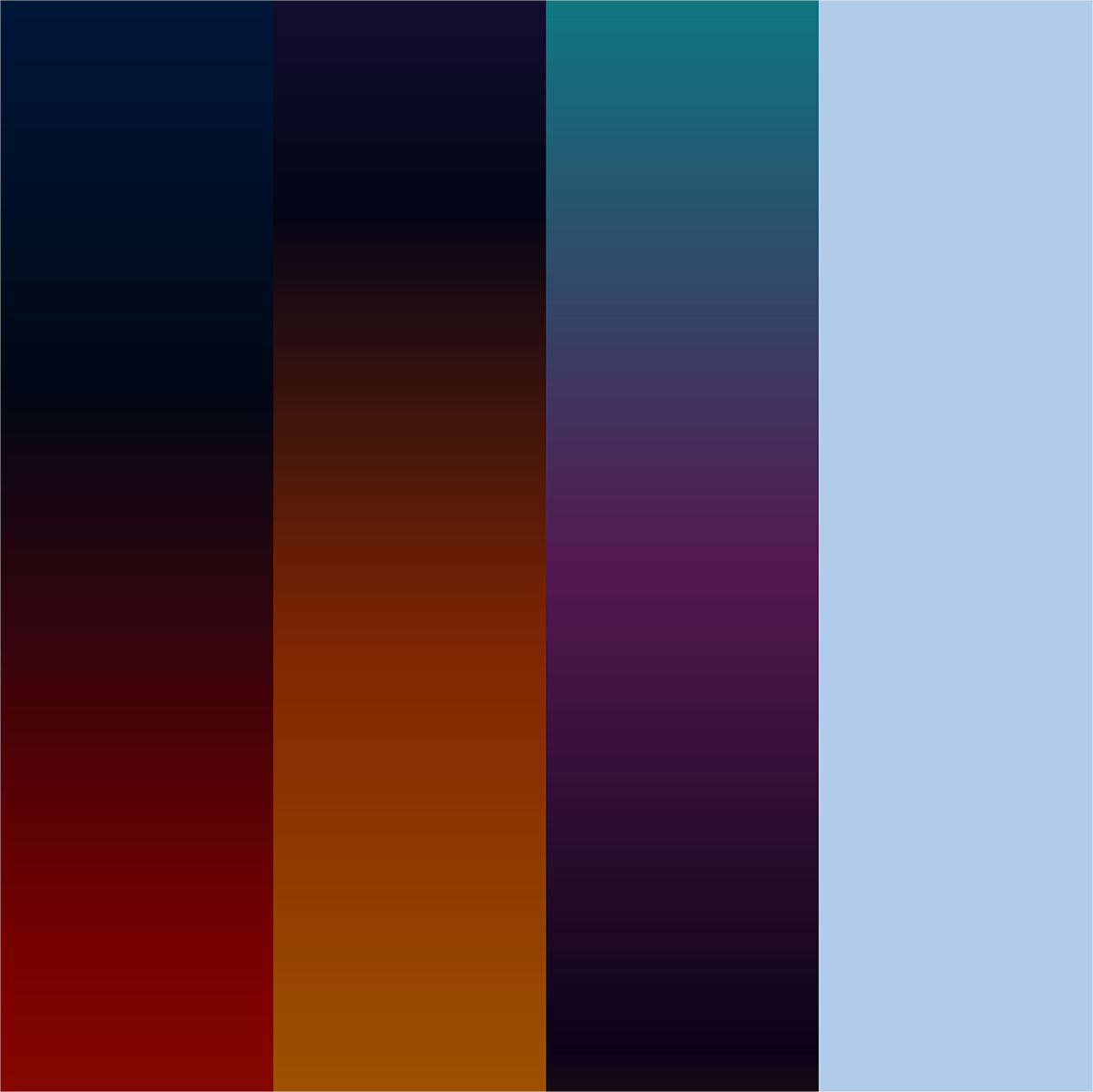
The core value of this project lies in the fact that everything is built entirely through code. Every output is an SVG, fully responsive by nature. This means the work can be experienced directly in the browser, where each gradient generated by the system can also be downloaded and used.
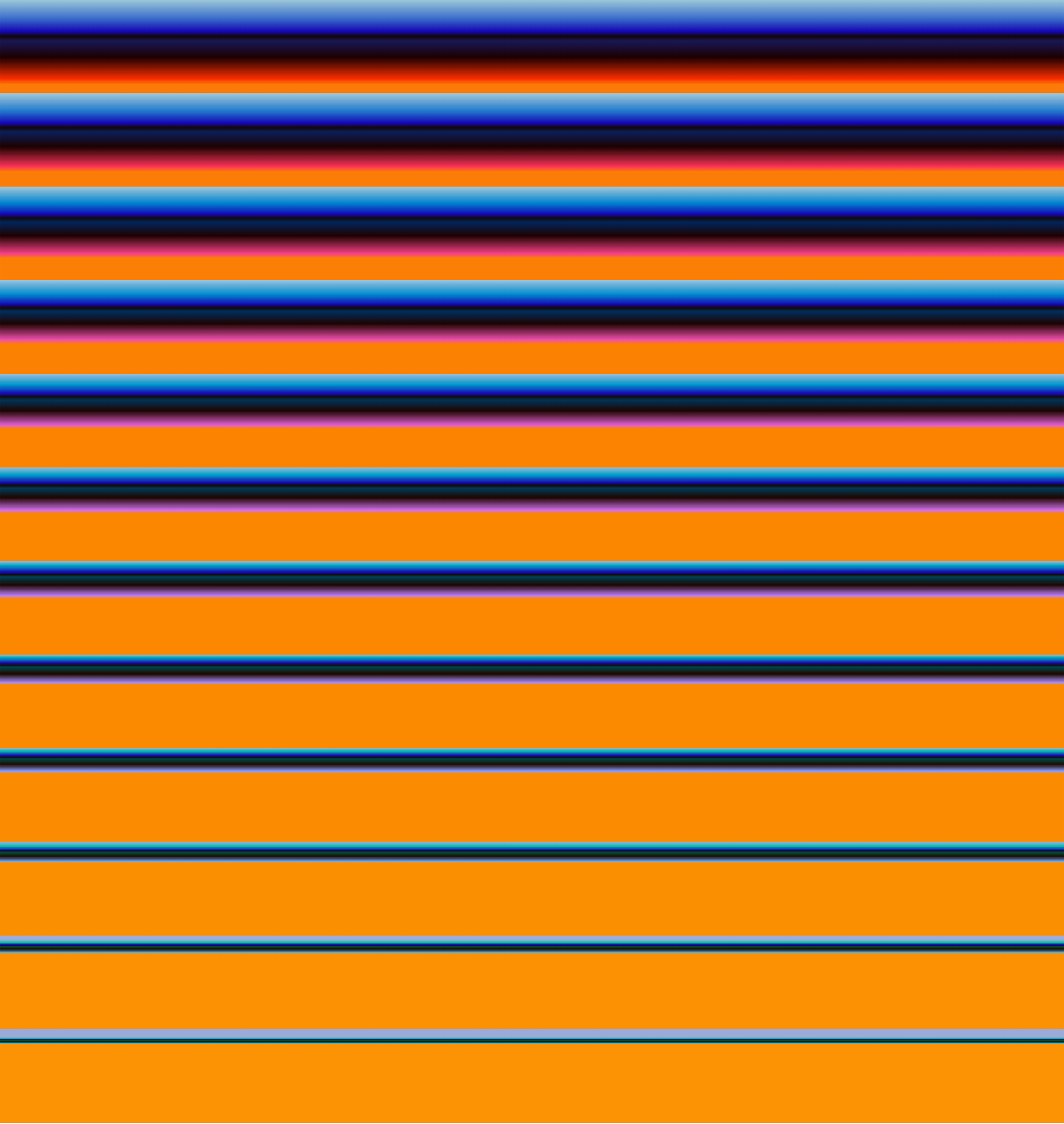
That flexibility opens up endless possibilities. The same piece can exist across many formats and aspect ratios, and each change reshapes the composition. A shift in ratio can completely transform how the work looks and feels, making every version a new interpretation of the same underlying code.
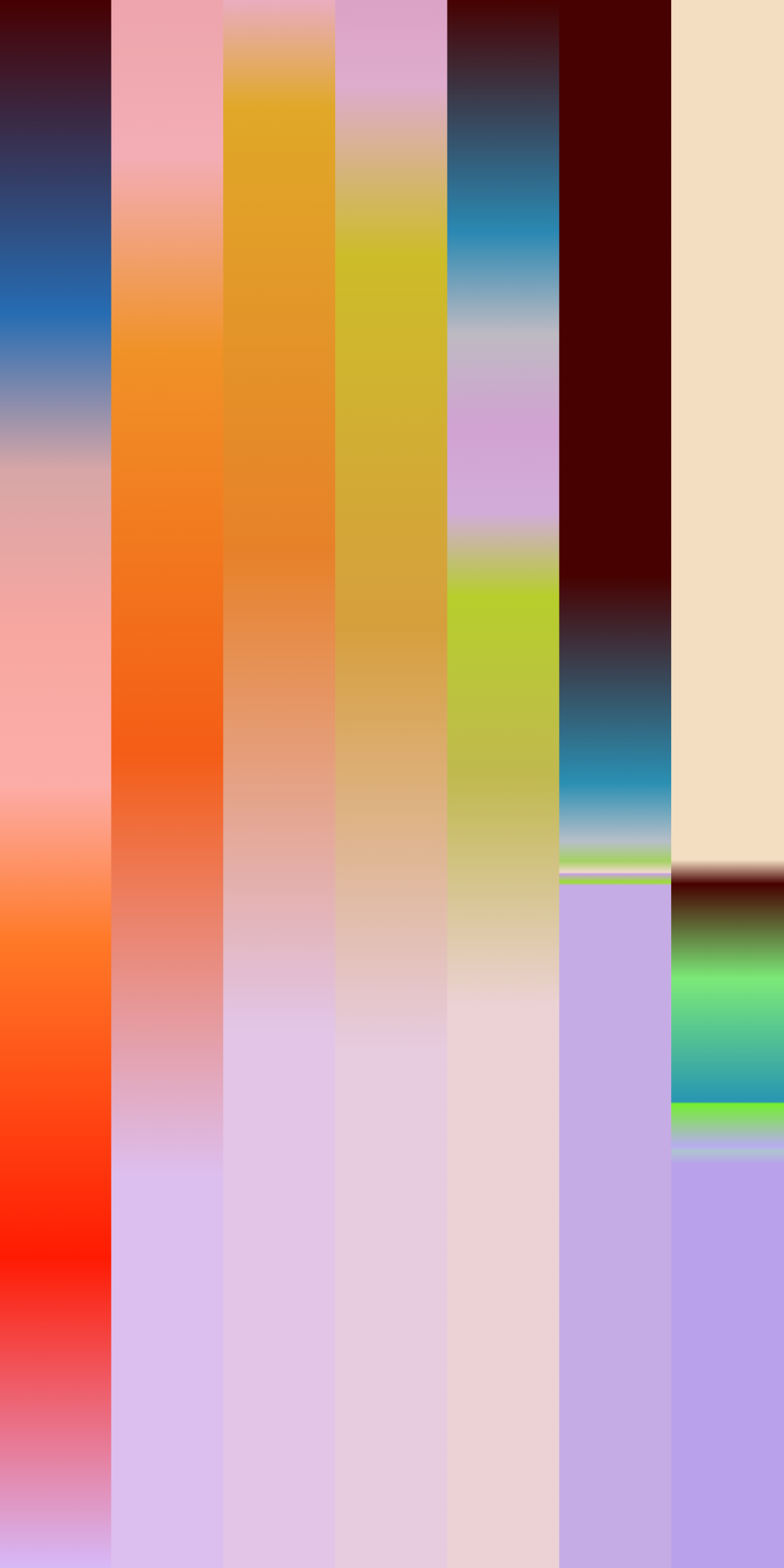
206337 as phone wallpaper
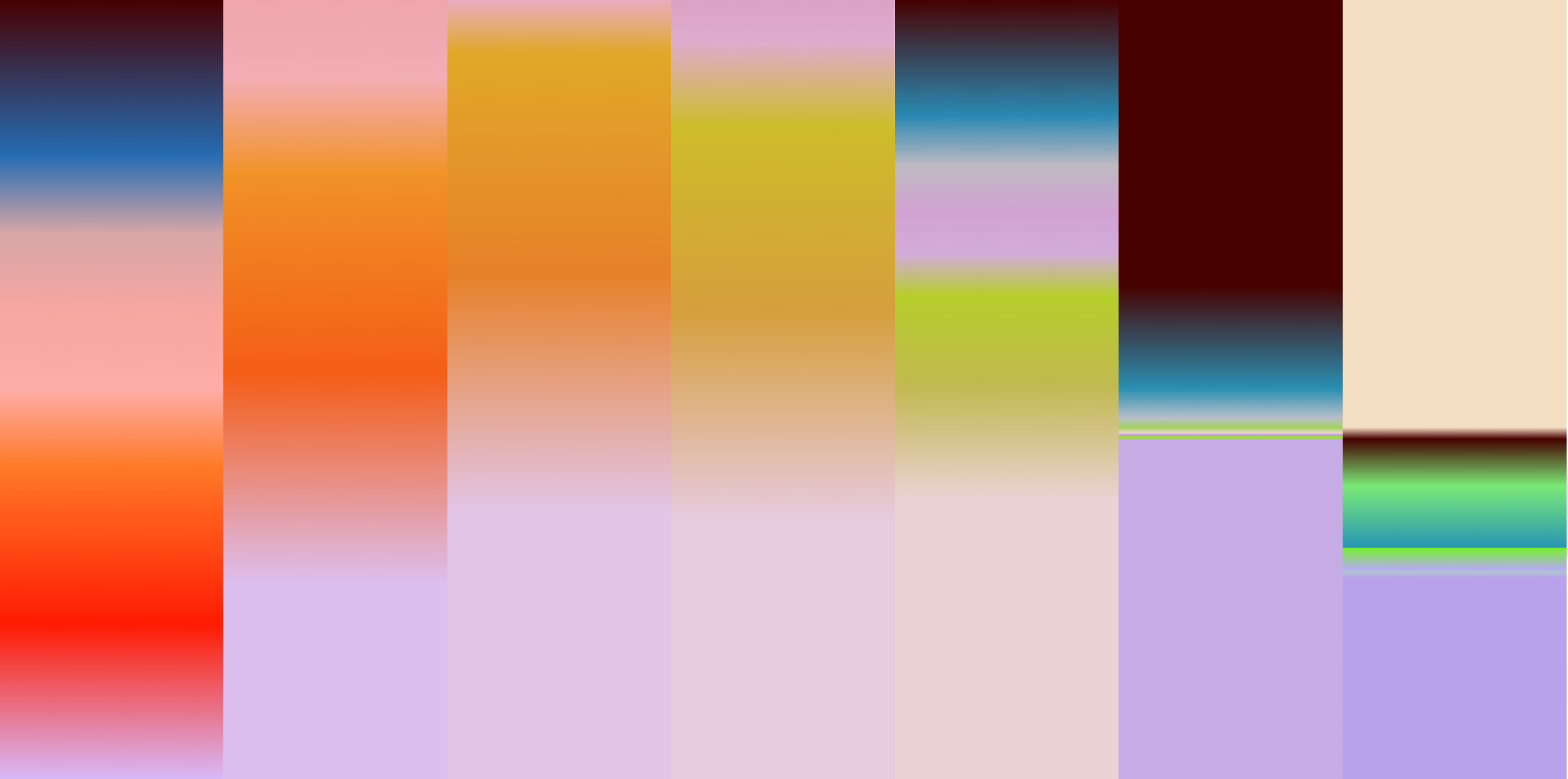
206337 as desktop wallpaper

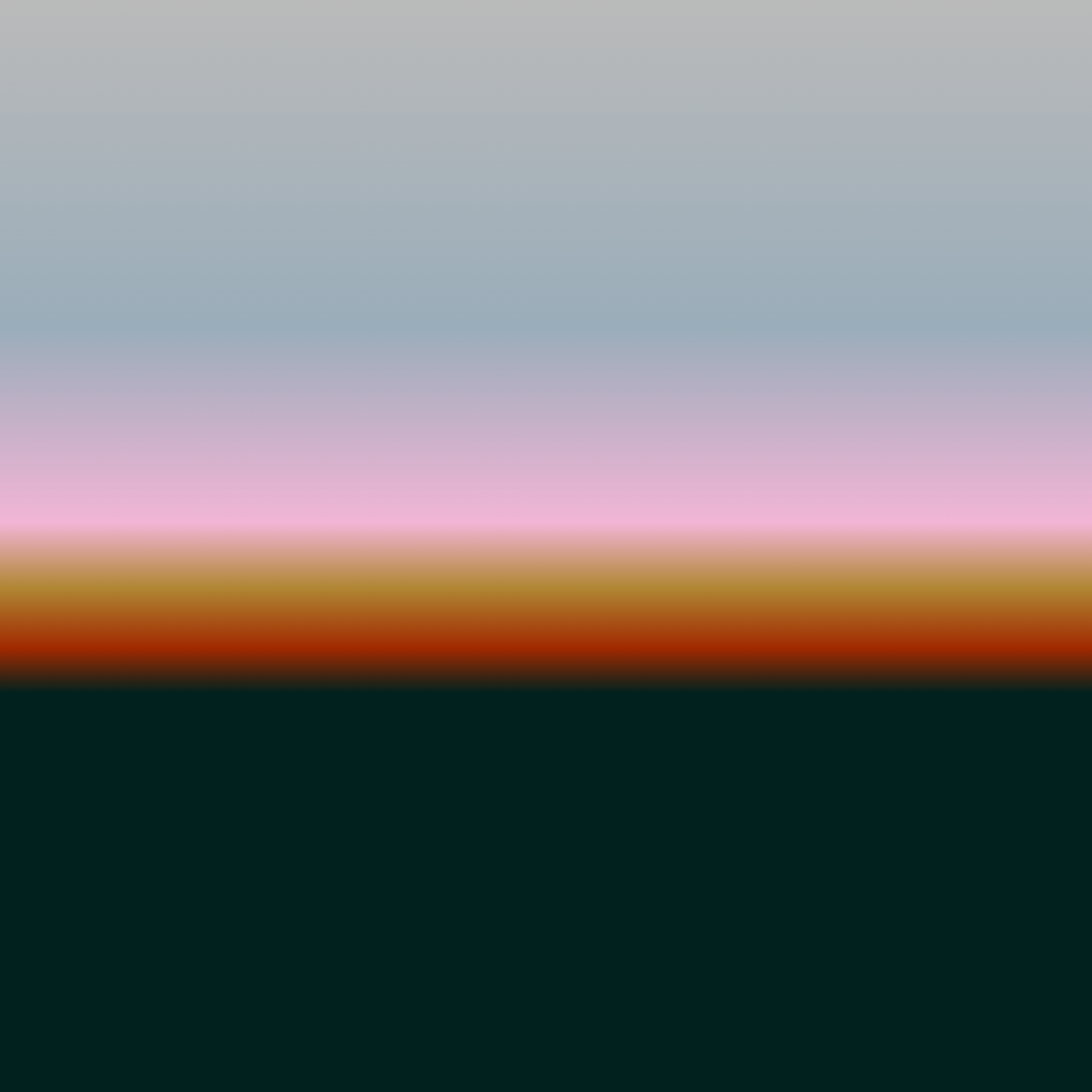
“Holy cow Rik, you released a book and told no one?”
That is more or less what happened. We were so focused on trying to make it to Paris Photo with the book that I completely forgot to announce it. The project originally started as an NFT, where people could own a unique piece of code representing their gradient.
Along the way, we started wondering if it would be possible to bridge those digital pieces into the physical world by turning them into a book. Why not try? The challenges were part of the appeal. Since the artwork was responsive, we had a lot of freedom in how the book could be designed and structured.
The idea for the book actually came from Mimi Nguyen of Nguyen Wahed. She simply said, “Hey Rik, let’s do a book.” A book. A real art book.
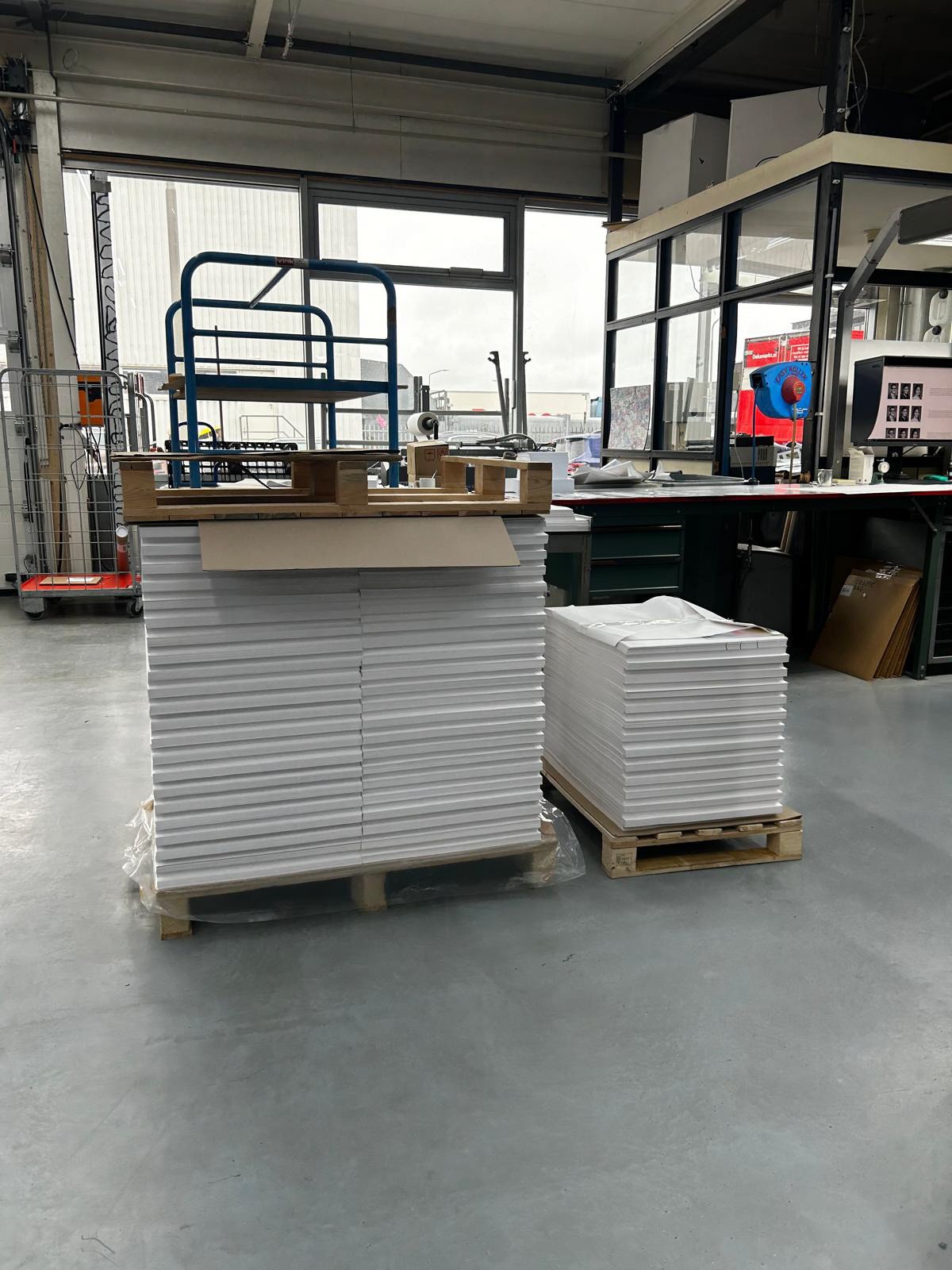
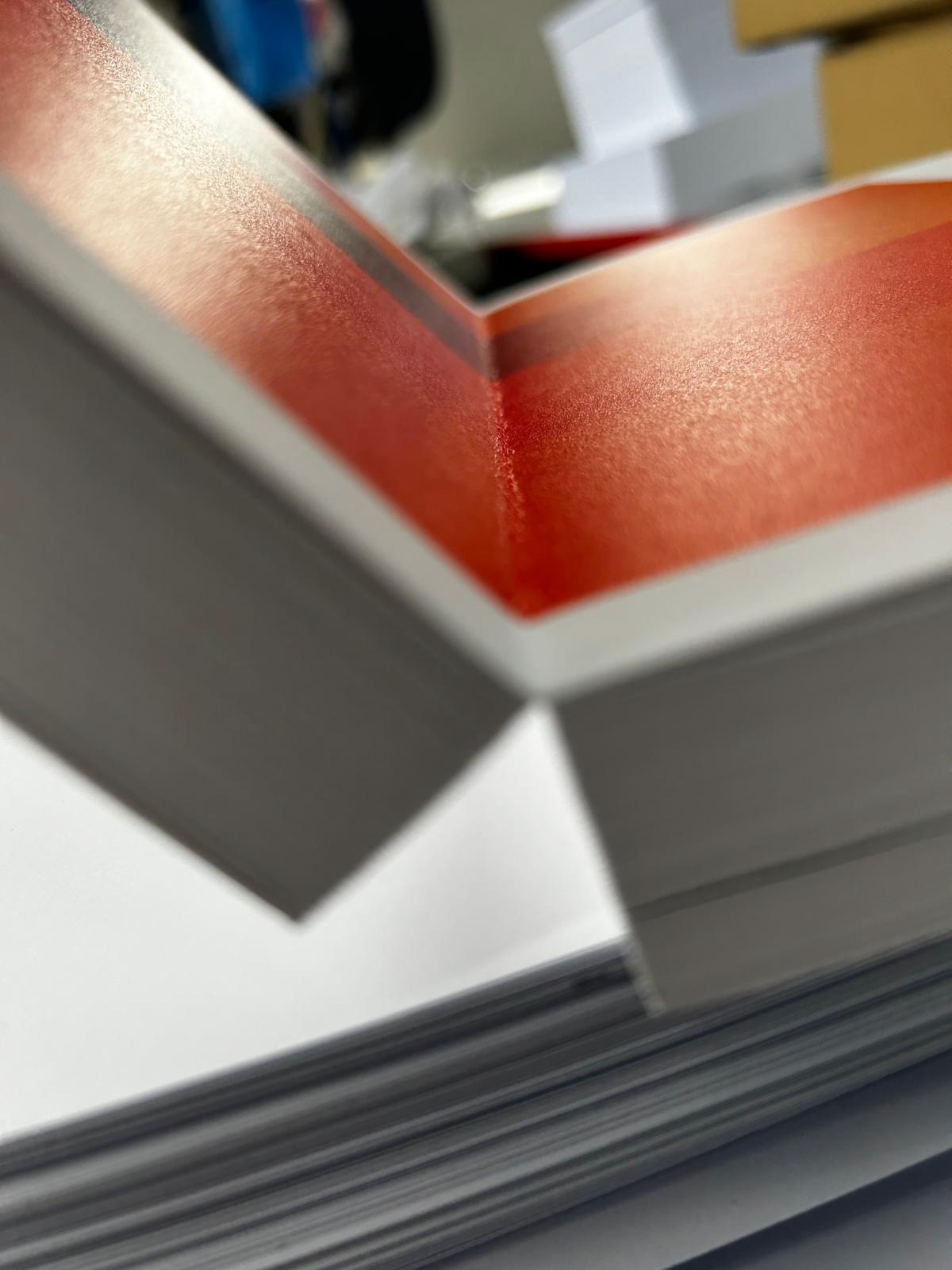
The goal was to surprise people who had no context for what they were holding. Visually, it looks like a stack of plain A4 printer paper, the kind you load into a printer. I wanted people to feel curious, slightly confused, and unsure of what they were looking at, in a way that would naturally spark conversation.
We produced 300 copies and they sold out quickly, even though shipping ended up costing more than the book itself. The book weighs two kilograms. The publication contains no text at all, only images generated entirely through code.
RRose Editions published the book and became an incredible partner throughout the process, helping us understand what worked and what did not. It was a steep learning curve, but a very rewarding one.
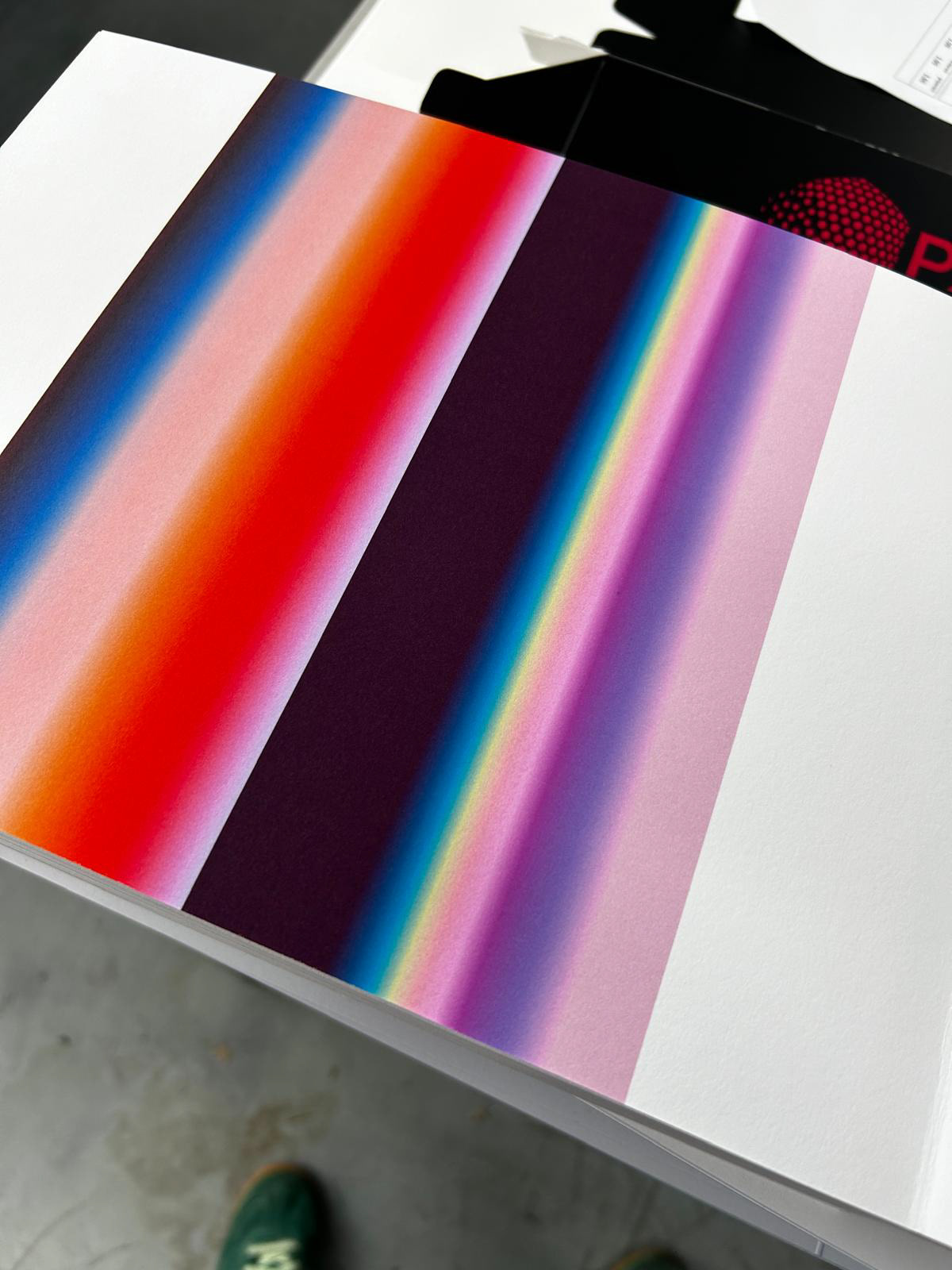
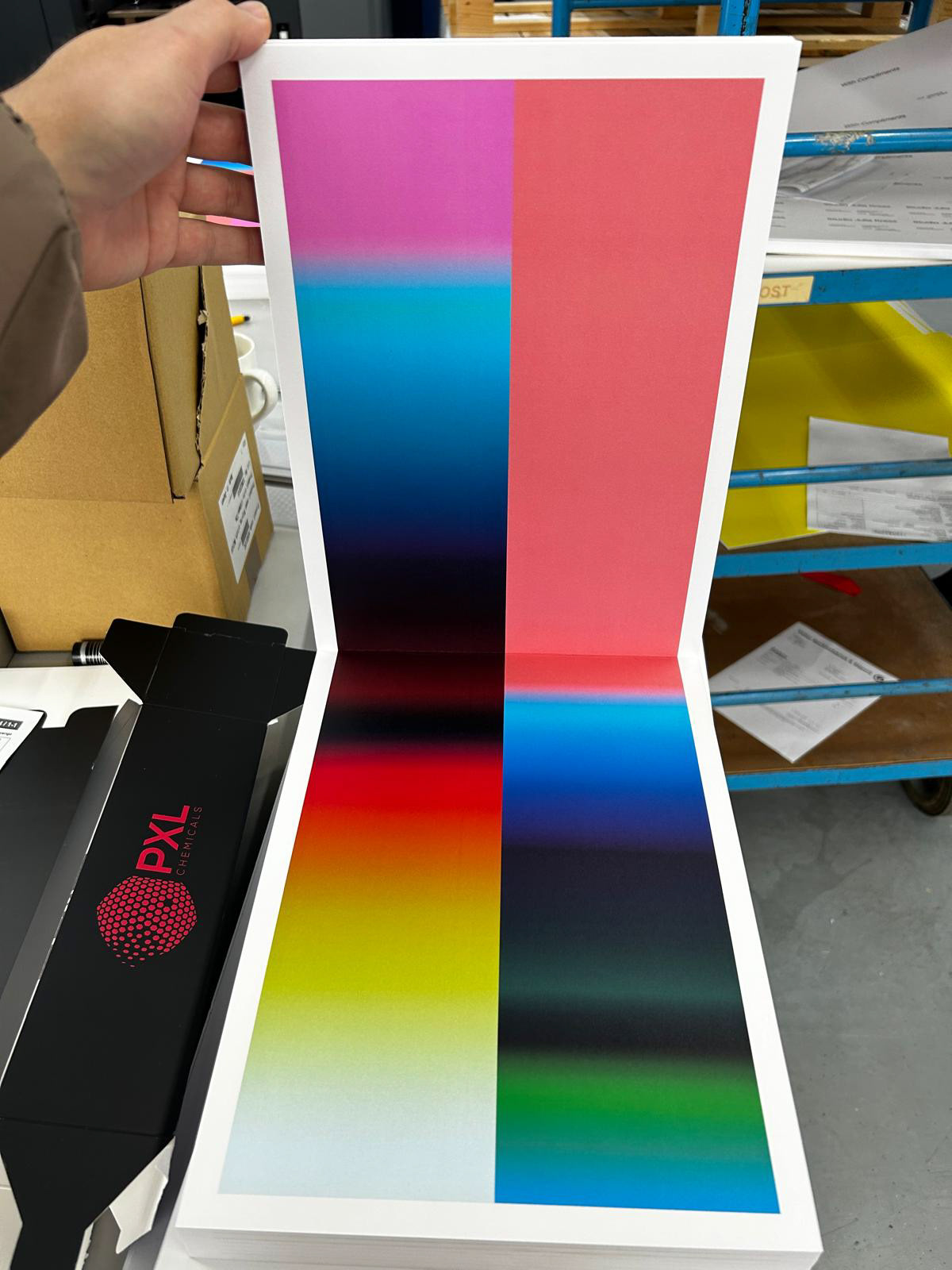
The content of the book are exactly the pieces that were living on the blockchain.
The content of the book are exactly the pieces that were living on the blockchain.
-
Book details.
Title: Verloop - Dégradé by Rik Oostenbroek and David Aerne.
ISBN: 978-2-9586199-7-8
Pages: 144
Publisher: Rrose Editions
Co published by: NguyenWahed
Paper: Emotion Pure White 200 gsm
Printed at: Pantheon drukkers
Weight: 2 kg
To all artists & designers out there; you probably know how challenging it is to print linear gradients in CMYK and make it look good.